Breast Health & Running

Find out why exercising in sync with your menstrual cycle has lots of benefits that go beyond becoming a better athlete.

Welcome to Never Asked Questions, where we answer the questions you've always wanted to know about training to your menstrual cycle.
Today you're going to get the lowdown on three of our most popular questions:
1. Why Train To My Menstrual Cycle Anyway?
2. Why Track My Menstrual Cycle?
3. Can I Exercise On My Period?
You might think you’ve been exercising alright up until now, so why change your flow? (Pun intended.) But there are so many benefits of training to your menstrual cycle that go beyond just being a better athlete —although hitting PBs is a pretty good reason to start.And that’s what we’re going to get into first: the benefits.
Benefit #1: Get To Know Your Physiology
When we talk about menstrual cycles, most of us think about periods. But your period is just the beginning of your cycle. Your cycle starts on day one ofyour period and ends the day before your next one begins. The time in between is where your body releases an egg, and if the egg that your ovaries release doesn’t get fertilised, the uterus lining sheds blood —oh hi, period. Throughout that process, thehormones oestrogen and progesterone are fluctuating, and it makes sense that these fluctuating hormones can affect all sorts of things in your body, like the way you feel, the way you think, and the way your body adapts and responds.
Which explains why you feel bulletproof some days as you run that extra mile and lift those heavier weights, then on other days, you’re in more of a restorative yoga vibe. Or a do-nothing vibe. It’s not always down to your fitness, but can be where you’re at in your menstrual cycle. “It’s important to understand how physiology influences exercise and performance.” As leading global expert on female-athlete physiology Dr. Stacy Sims, PhD, says. “Training to your menstrual cycle can not only improve your mood but reduce PMS(premenstrual syndrome) symptoms, plus leave you feeling fitter, stronger and faster.”
Benefit #2: Calm Those Cramps
Exercising when on your period can help your body reduce the inflammation that makes your uterus contract –that is what’s actually happening when you get those stomach cramps you know as period pain. Reason alone to get yourself moving. It could be something as light as a walk if you’ve got a heavy flow, or go all-out high intensity if your body’s saying, “hell yeah.” Thank the mood-boosting hormones, endorphins, acting as a natural pain reliever, and exercise those cramps away.
Benefit #3: Total Body Harmony
When you train to your cycle, you’re harnessing the power of each phase. This means knowing when your body’s craving some physical stress and pushing yourself, then backing off when your body’s craving a little recovery. Let’s explain this a bit more:
During the low hormone phase at the beginning of your cycle, your body is able to respond quicker to exercise stress and recover because it’s more resilient. This makes it the ideal time to train hard and hit those high intensities. The endorphins your body releases have a positive effect on neurotransmitters, which makes you able to handle that higher stress—both physical and environmental —for the rest of the day. But if you try and do the same intensity in the high hormone phase (after ovulation towards the start of your next period) when your body’s least able to recover, it has the opposite effect. So syncing your training is really just giving your body the level of movement it needs and craves at the appropriate time.
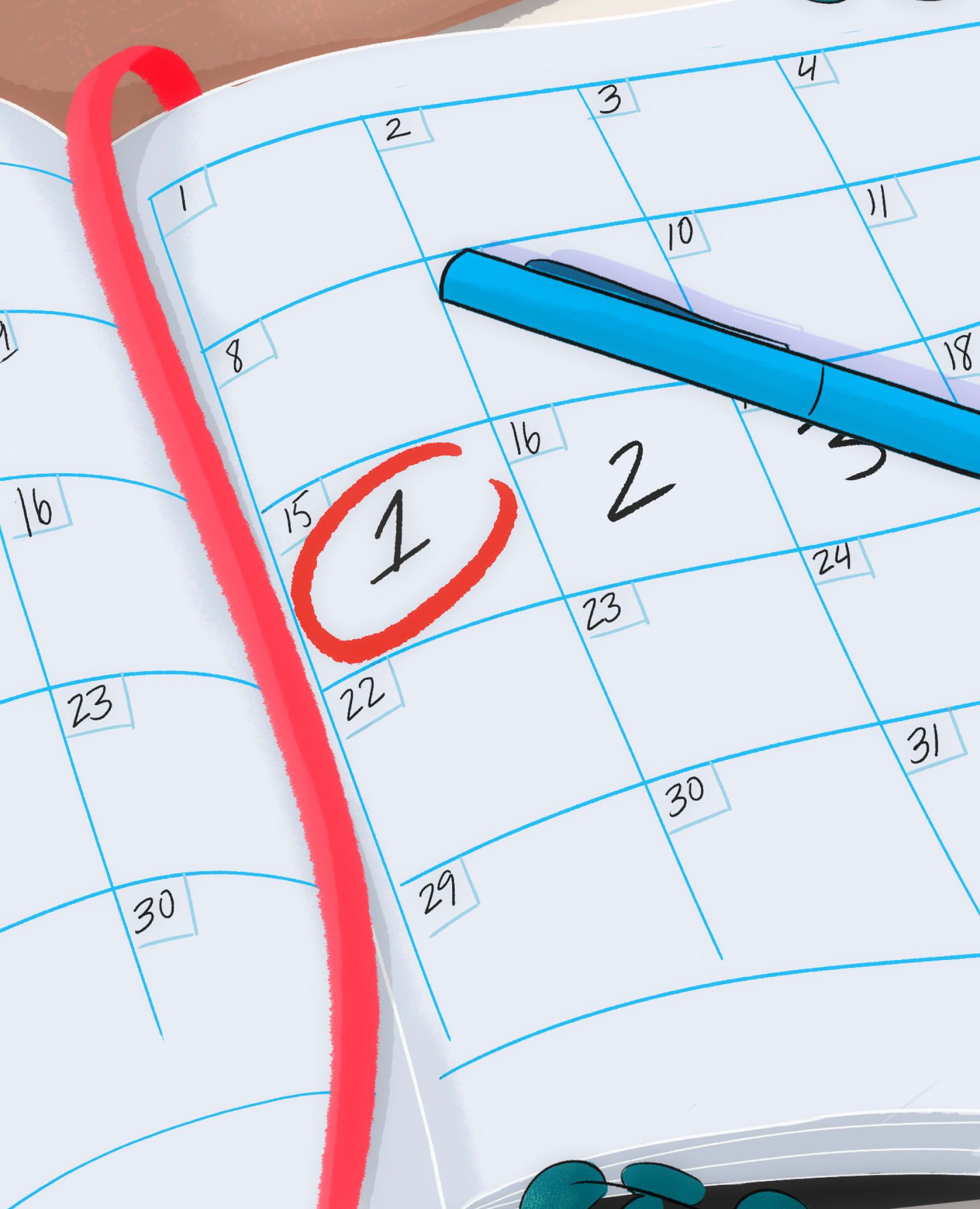
Let's get into tracking your menstrual cycle: why it's a good idea to track, and ways you can do it.
Day What?
Who knows when the first day of their last period was? Let alone what day they are on somewhere mid-cycle. Very few of us keep track, so we only have a loose idea of how our cycles behave. Every body is different and menstrual cycles can vary massively because of: age, health, genes, behaviour, BMI and contraceptive choices. So, while we’ve suggested day ranges to sync your training with your menstrual cycle, they are just a guide, your cycle could be 25 days or 31 days long, or it could be completely irregular. But tracking it is still possible.
Ways of Tracking
It’s good to track your period for many reasons. You’ll feel more in control knowing when your next period is due and be able to understand the patterns of your menstrual cycle. If you’re feeling flat, you can check your cycle and be like, “ah, I’ve got hormones fluctuating like crazy, no wonder.” So, you’ll be better equipped to manage your moods. Tracking your period also helps you figure out your fertile window, which is helpful if you want to get pregnant and also if you want to avoid getting pregnant.
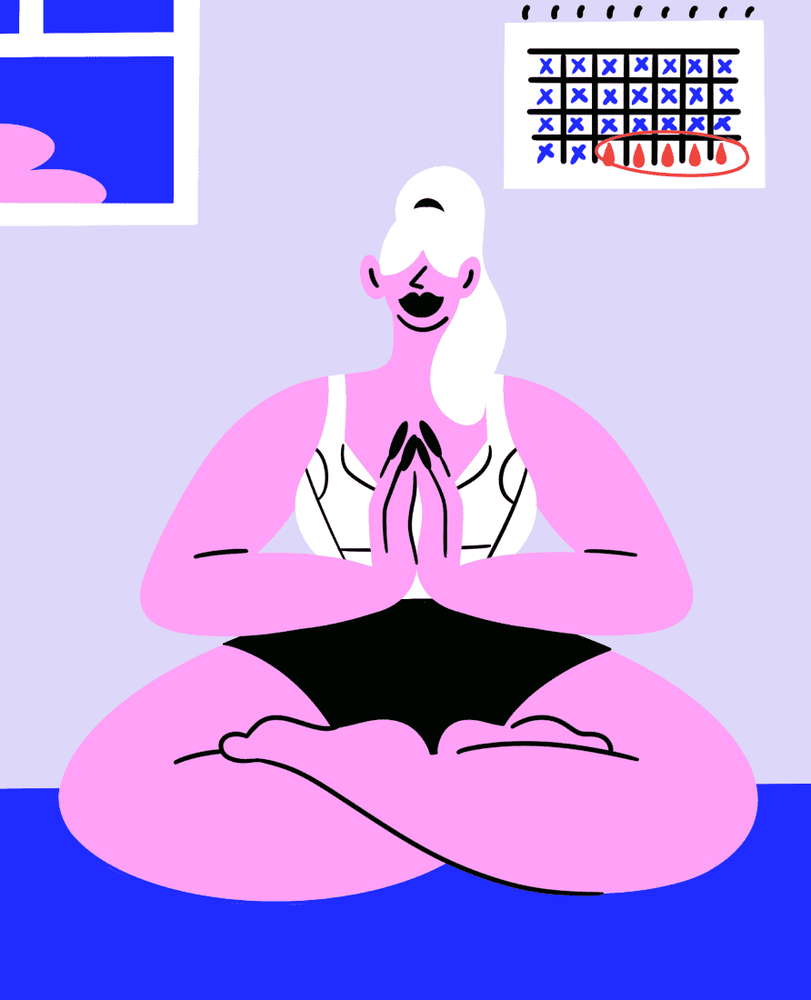
It doesn’t have to be techy and complicated, you can start tracking by making notes on a piece of paper —put a star on your calendar on the first day of your period and work forwards and back from there. And jot down how you’re feeling physically and emotionally, so you get a better understanding of how your body reacts to fluctuating hormones. You can also use a period tracking app and the basal body temperature method is popular for finding out when you ovulate. You take your temperature with an BBT oralthermometer every morning before getting out of bed and when you see your temperature increasing slightly, that’s when you’ll know you’re ovulating.