Breast Health & Running

Some experts say adjusting your training to match your menstrual cycle could give you a power-up in the gym — and in life. Here’s what you need to know.

Let’s talk periods. Ever since you got that “Your Period and You” handout in grade school, you’ve known that it’s a healthy part of life for every woman. And yet, we bet no teacher or doctor ever told you that menstruation — and the 28ish-day cycle it’s part of — could potentially give you a performance edge.
Every female has estrogen (which is mainly responsible for reproductive development) and progesterone (it preps your uterus for possible pregnancy). Their levels regularly fluctuate, which can affect the way you move, think and feel, and not just during your period but on every day of your cycle, says Georgie Bruinvels, PhD, a research scientist at the bio-analytics company Orreco. It’s why one day you might feel like you have nonstop energy, and the next you’re glued to your couch and crying over an animal shelter ad.
This flux can also affect how your body reacts to exercise. Which can be a great thing. It means that, on any given day of the month, you can strategize when and how you train to get the results you want.
“Syncing to your cycle means adjusting your training and nutrition plan based on what’s going on hormonally so you reap maximum physical, mental and emotional rewards,” says Stacy Sims, PhD, a female-athlete physiologist and author of Roar, a physiology-based nutrition and training guide for active women. While the research on adjusting your training based on your cycle is constantly evolving, there may be benefits to putting it into practice.
If you go with your natural flow (read: no hormonal birth control, as most types affect hormonal shifts and thus require a different approach), this menstrual map from Sims will help you to navigate the distinct phases of your cycle. Just keep in mind that every body and every cycle is different, so results aren’t guaranteed. But at the very least, trying a new routine could be a welcome change of pace — and you might uncover new intel about what makes your body feel good.
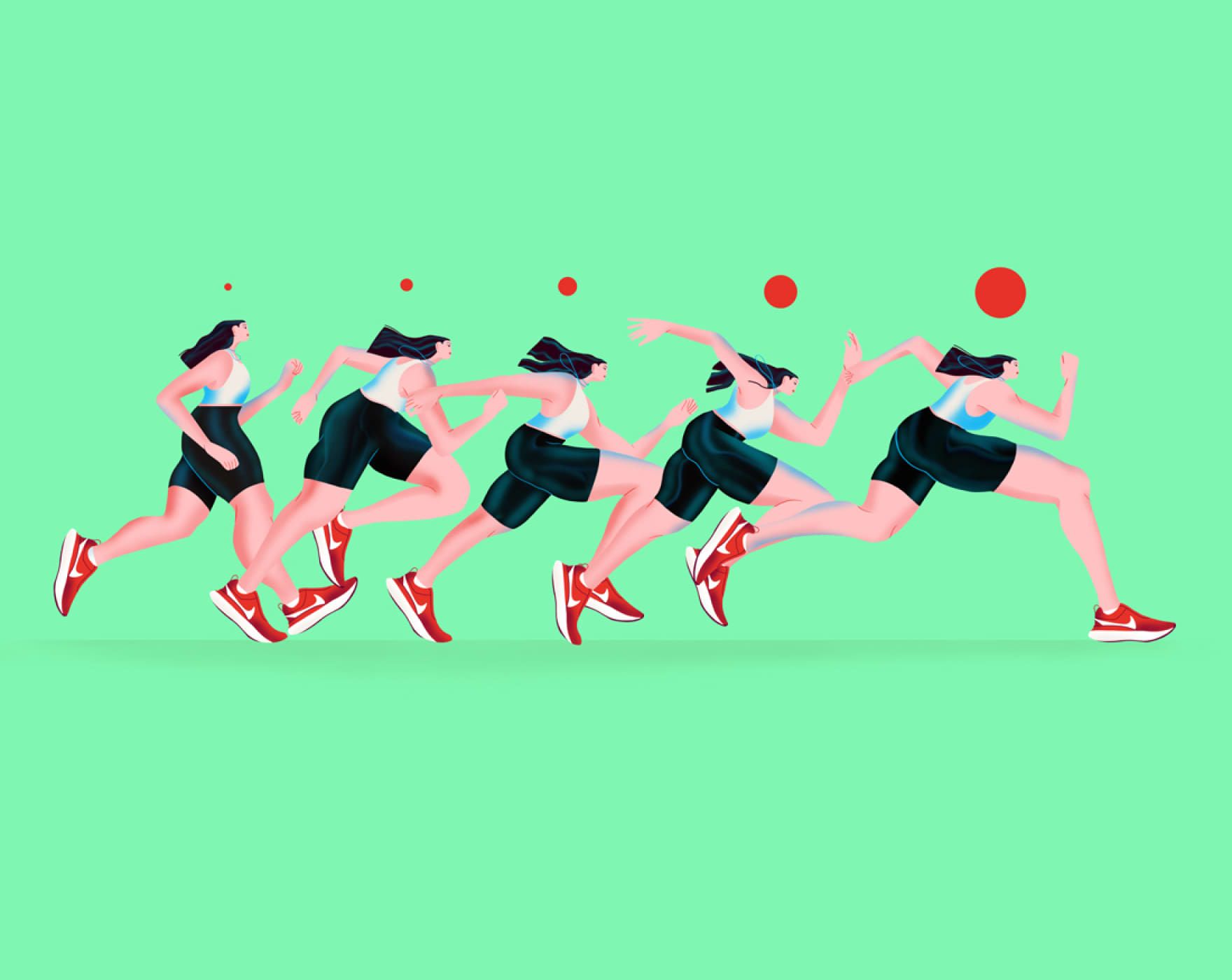
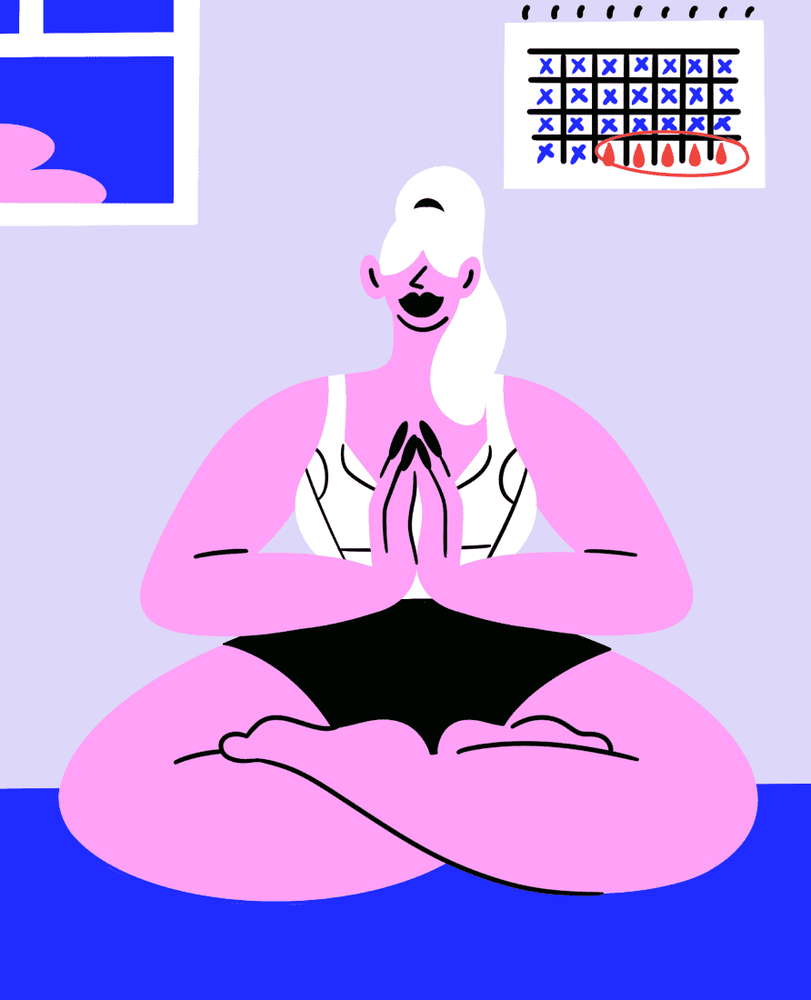
Let’s orient: Day 1 is the first day of your period, the most nuanced stage of your cycle. Some women feel like total badasses — both estrogen and progesterone are at their lowest during this time — while others are knocked sideways by symptoms, says Sims.
If you’re feeling good, here’s how to take advantage of this low-hormone state:
Not you? If you’re prone to period-related symptoms like cramps, brain fog and stomach issues, wait until they subside before attempting any of the above. (And eat anti-inflammatory foods rich in calcium and vitamins D and B such as bananas, plain yogurt and green leafy vegetables, says Sims.) Try some of these lighter activities instead:
However you’re feeling, use this time to catch up on sleep — your body temperature is lower, which can deepen your natural sleep rhythms, says Sims. (Grab a hot water bottle or heating pad if cramps are making it tough to pass out.)
Once menstruation is over and your hormones are still low, you’re in a great position to push yourself. “You should feel more energized, clearer-headed, better coordinated and ready to go hard in the gym,” says Sims.
This physical and mental turnaround may be just what you need to take your training to the next level, all the way until your peak at ovulation. If so, try this:
When channeling your inner Mat Fraser, be sure to prioritize a regular sleep schedule and eat plenty of protein, healthy fats, complex carbs and colorful vegetables to optimize muscle repair, says Sims.
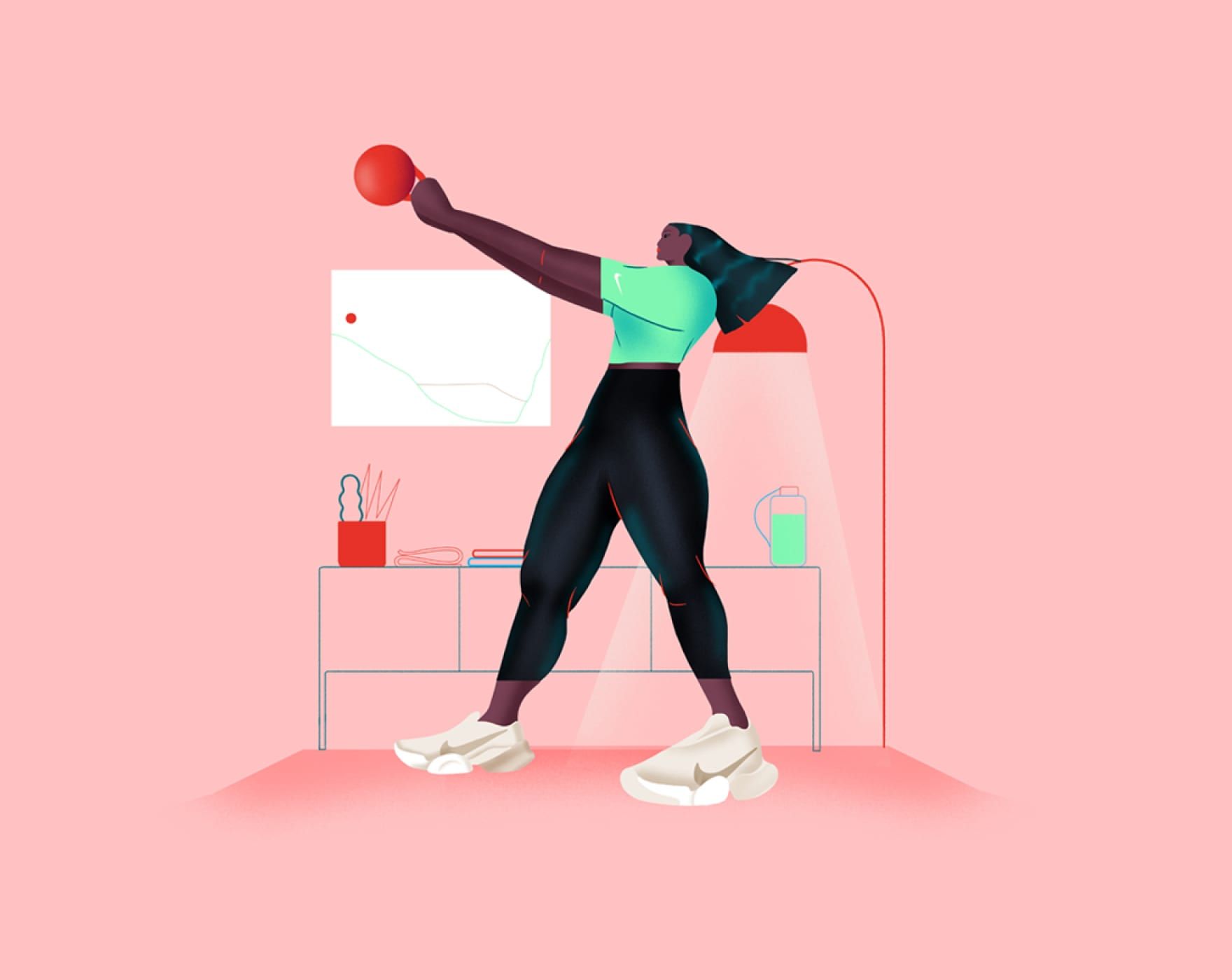
The third phase of your cycle starts right after ovulation (when an ovary releases a mature egg). The estrogen levels dropping quickly at the beginning of this phase might leave you feeling flat, says Sims. No fun, though you can make the most of it if you:
Or don’t: Some people will feel fine throughout this phase, says Bruinvels. If that’s you, feel free to think of it as a time to maintain your training rather than drastically advance or modify it, she says.
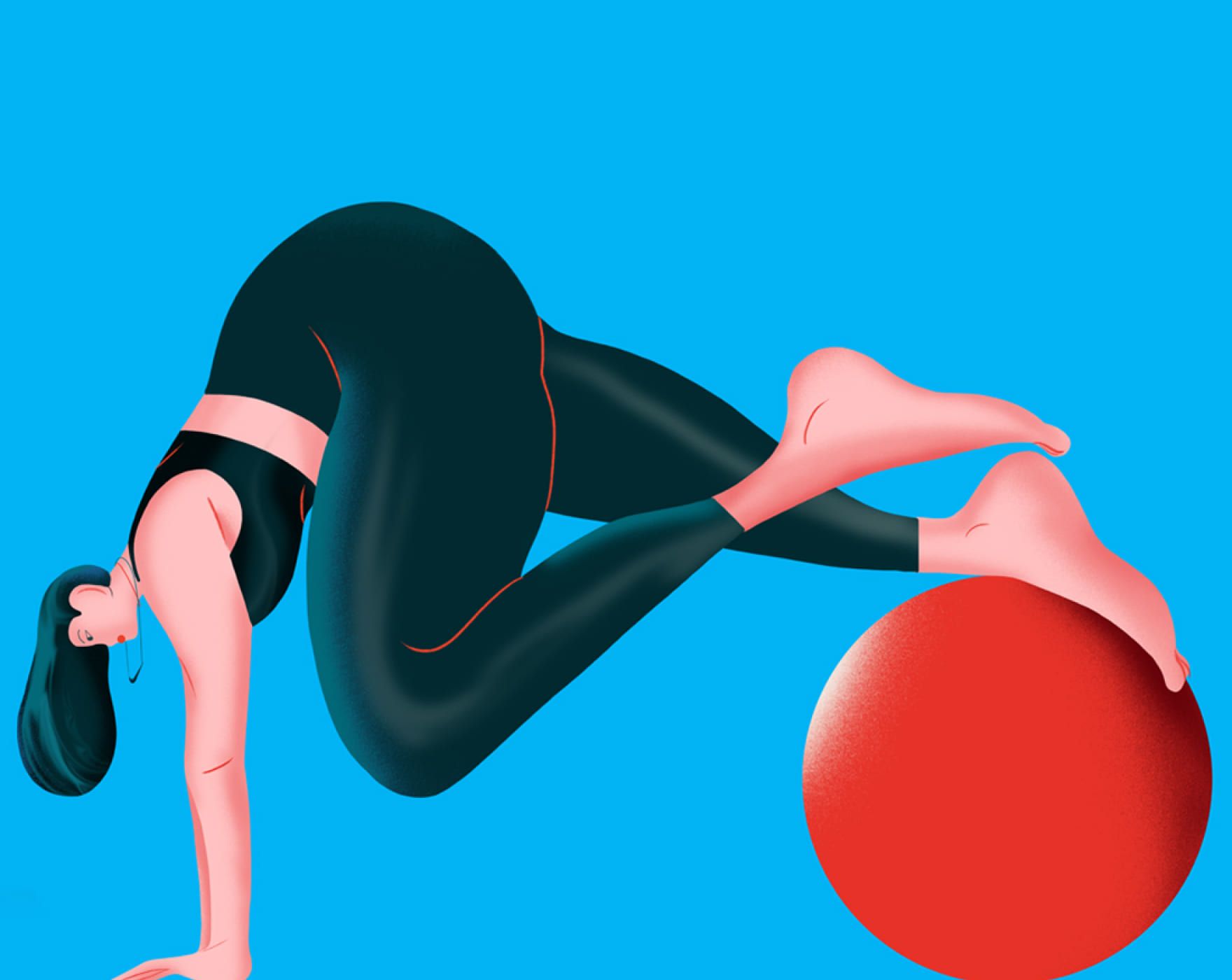
For most women, the week or so leading up to their next period is their least favorite week. It’s completely normal to feel anxious, irritable and blah at this point, thanks to high hormone levels, says Sims. You might even be completely fatigued, physically and mentally, or notice inflammation and bloating (hi, PMS). On top of that, peak progesterone levels typically activate your stress response, causing a higher resting heart rate and body temperature, which can make some movements feel harder than usual. Stay active, encourages Sims, as it can help you feel better all around. To strike the right balance:
As you experiment with syncing your training to your cycle, remember: You have an opportunity to try different things every month as you learn about your hormonal patterns. But if you’re not seeing or feeling much of a difference from all the trial and error, or you’re stressing out over the process, it might not be for you. Ultimately, training in the way that works for your body and your temperament is what matters most. Period.
Words: Charlotte Jacobs
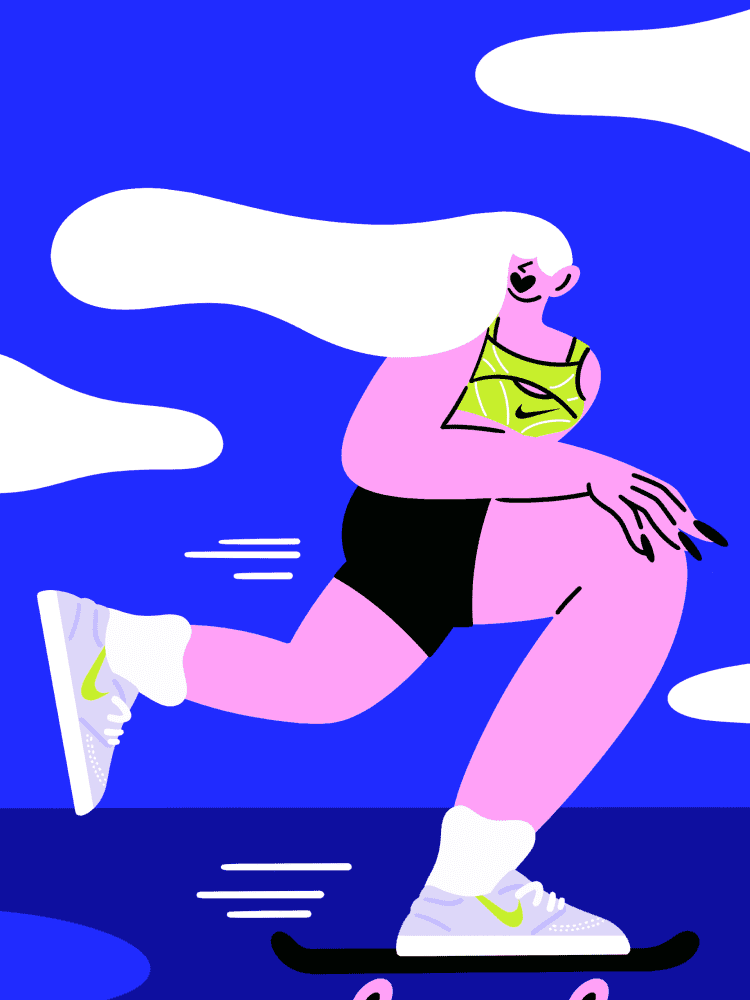
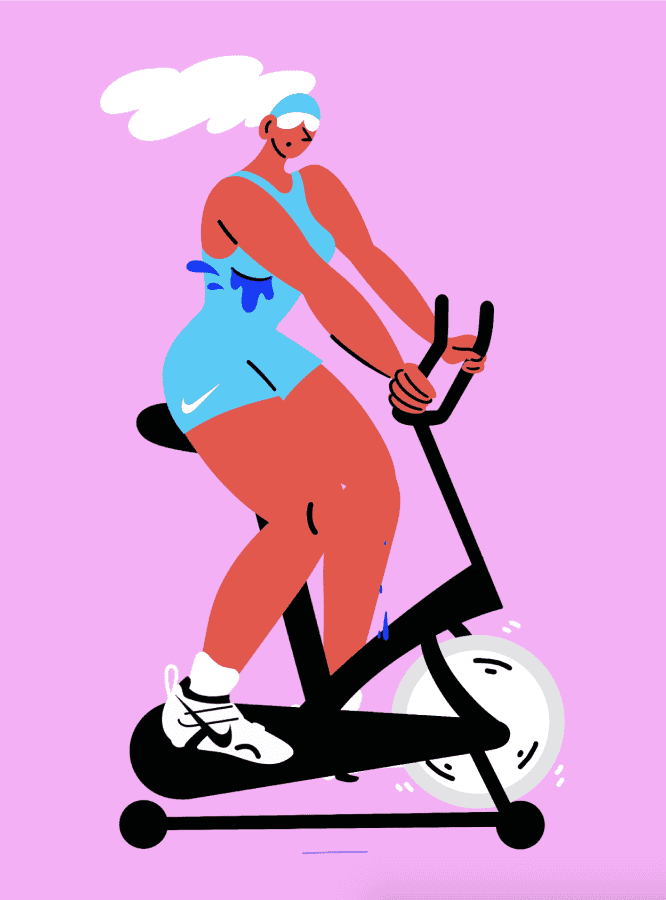
Illustration: Xoana Hererra