Breast Health & Running

From puberty to pregnancy, learn how to sync your training to your body's hormonal patterns.

Welcome to Never Asked Questions, where we answer the questions you've always wanted to know about training to your menstrual cycle.
Let's unpack how different life stages affect if you can or can't train to your menstrual cycle, from puberty to pregnancy:
1) Can I Train To My Menstrual Cycle If...?
2) Hormonal Contraceptives & Training
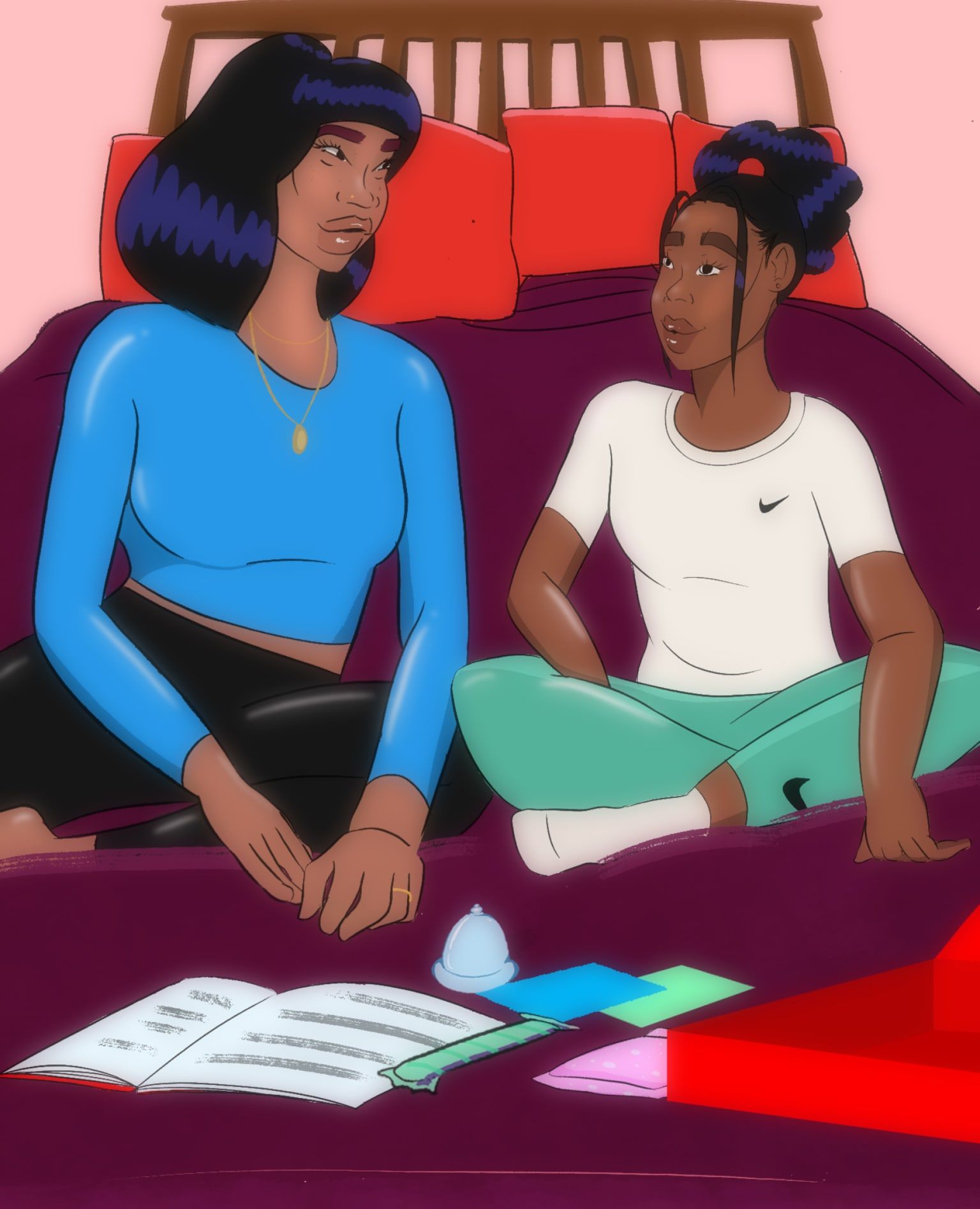
3) How Can I Support My Daughter Through Puberty?
Generally, if you have a menstrual cycle, you can learn how to sync your training to its hormonal patterns. Scroll down the list and if you don’t recognise yourself, just let us know in the comments.
Can I Train To My Menstrual Cycle If Pregnant?
When pregnant, your hormones are no longer following the same cycle they always have, instead they’re in a brand new nine-month cycle. Those all-important hormones –estrogen and progesterone –rise constantly throughout your pregnancy, so training to your menstrual cycle won’t apply to you. Instead, you’ll be adapting your training according to your trimester. There are so many myths and opinions, it can be difficult to know what movements are safe to do when you’re pregnant. But every pregnancy is different, even for the same woman, so it’s about listening to your body, as it will tell you what it can and can’t do. We’ve got you covered at every stage of your pregnancy with our Guided Runs. Check them out in the Nike Run Club app.
To train in sync with your menstrual cycle, download the Nike Training Club App and head to the NikeSync workout collection.
Can I Train To My Menstrual Cycle If I Have Endometriosis or PCOS?
Endometriosis and PCOS (polycystic ovary syndrome) have been misdiagnosed for decades. But women are slowly getting the help they need with the pain, heavy bleeding and irregular periods that come with it. Side note: If these symptoms sound familiar to you, press pause on running down the self-diagnosis rabbit hole —you’ll need to speak to a doctor for a true diagnosis. Heavy or irregular periods (or no periods at all) can be a sign of several things and it’s always best to chat it through with your GP.
If you’ve been diagnosed with Endo, you might find that exercise can improve your symptoms as working out can help the body’s anti-inflammatory and antioxidant ability. It can also boost your mood. And seeing as there’s evidence that suffering with Endo can increase levels of depression and anxiety, feeling mentally lifted is just as important as feeling physically better.
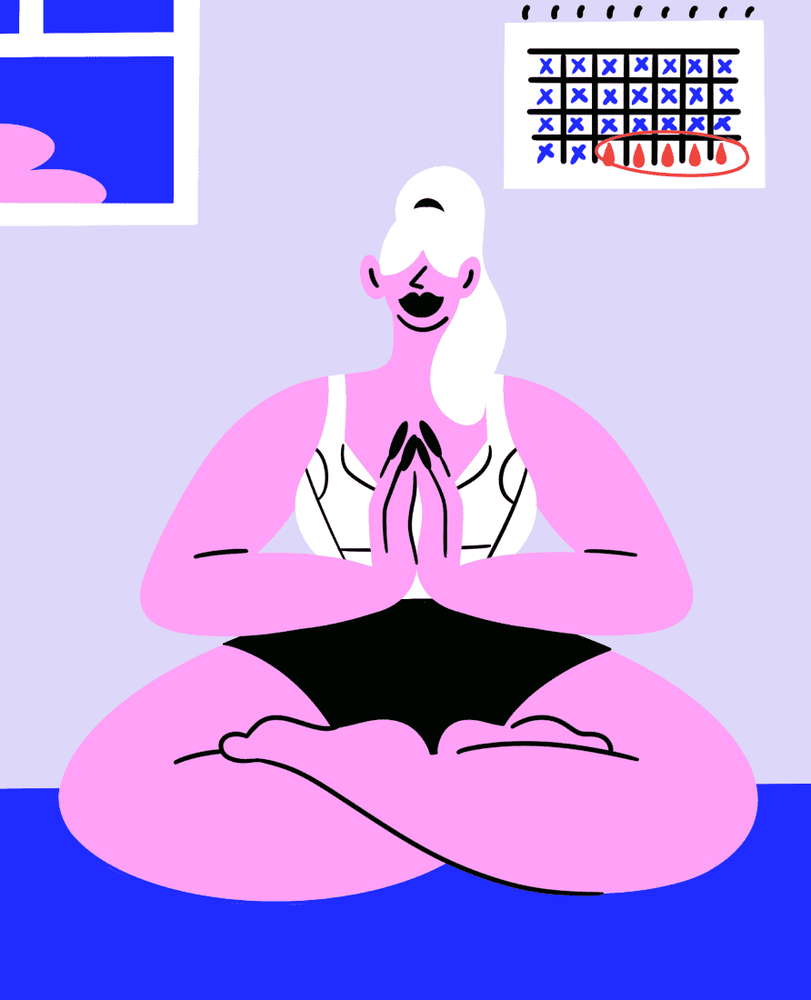
The best way to start training to your cycle is to track how you feel when you train for two or three months, taking note of how your body responds when you push it hard. Then you’ll know when your body’s more able to reach high intensities and which are the taking-it-easy days.
Can I Train to My Menstrual Cycle If I’m Menopausal?
It all depends on if you’re perimenopausal (your body’s still ovulating but is starting to show signs that your ovaries are producing less estrogen) or post-menopausal (your body has stopped ovulating and you no longer have estrogen or progesterone). If you’re perimenopausal, you’ll still be having periods, but they might be getting more irregular, and your bleeding pattern may have started to change. But you can still track your cycle and respond accordingly. If you’re having a longer cycle then you’ll be in the low hormone (Follicular) phase for longer, giving you more opportunities to hit high intensities and heavy resistance work.
If you are post-menopausal (the stage after your periods have stopped for 12 months), syncing your training to your cycle won’t apply to you as your body is no longer producing the high levels of fluctuating hormones. Although, you can still track how you’re feeling and performing as you train. This will give you an insight into how your body’s responding and whether you need a few more days of low intensity between big workouts. But one thing’s for sure, up your recovery time after big workouts, as muscles change with menopause, affecting their ability to recover as quickly.
Can I Train to My Menstrual Cycle If I’m Not a Pro Athlete?
100% YES. If you have a period, you may reap all the benefits of training to your menstrual cycle.
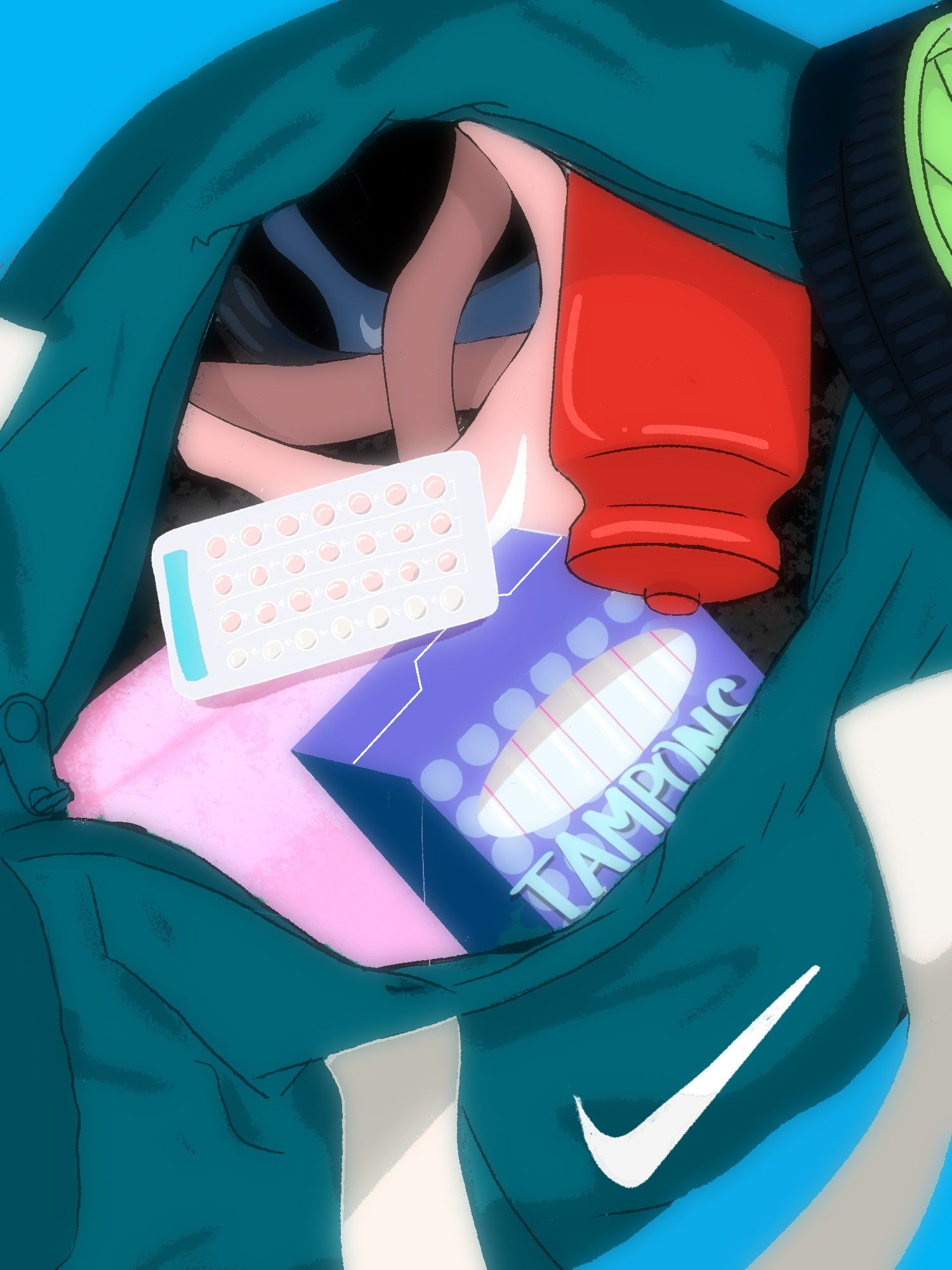
Hormonal contraceptives are a tricky one because by their name and nature, they work by tweaking your natural hormone levels. Come with us as we explain this mighty NAQ and hopefully help you understand what’s going on down there.
Day 1 of your pill pack to Day 5 +/-
Your ‘Day One’ is the first day of your pill pack. The first 5 days is just like the Early Phase as your hormones are low, meaning you can train hard. So up your weights, go for fast runs, or attend a HIIT class.
Days 6 to 22 +/-
When you getto the second week of your pill pack, your hormones are building up, so your recovery slows down, meaning you need a bit more recovery between hard workouts to reap the benefits. This gives you around 2.5 weeks of being in the beginning of the Luteal Phase. Sounds confusing, but we just mean that your hormones aren’t at their highest yet, so you can still focus on moderate intensity and aerobic workouts like a steady run. But you might notice your energy levels are slowing down, so start to take it a little easier and give yourself plenty of recovery time.
Days 23 to 28 +/-
Did you know that the last week of pills are called sugar pills because they don’t contain any hormones? But because your hormones are at their highest level at the beginning of this week, this should be your deload phase. Really focus on recovery; go for walks, meditate, hit the yoga mat. But as the hormones from the active pills are cleared from your system throughout the week, you’ll notice your body feeling primed to go full circle, as you enter back into that Early Phase, just in time for a new pill packet.