Breast Health & Running

When that time of the month hits, working out can lose its appeal. But getting active regulates the hormones responsible for PMS, helping you feel and function at your best.

Exercise is almost always a good idea, as it's a healthy way to release some energy and have a little fun, all while getting a rush of endorphins.
However for some people, when that time of the month hits, working out can lose its appeal. Sometimes all you want to do is put on some comfy clothes and relax. Well, if that sounds like you, know that you're not alone.
But exercising during your period can help alleviate painful cramps, plus give you a boost of those feel-good hormones. Even if you don't feel like doing it, a workout can make you feel better—physically and mentally.
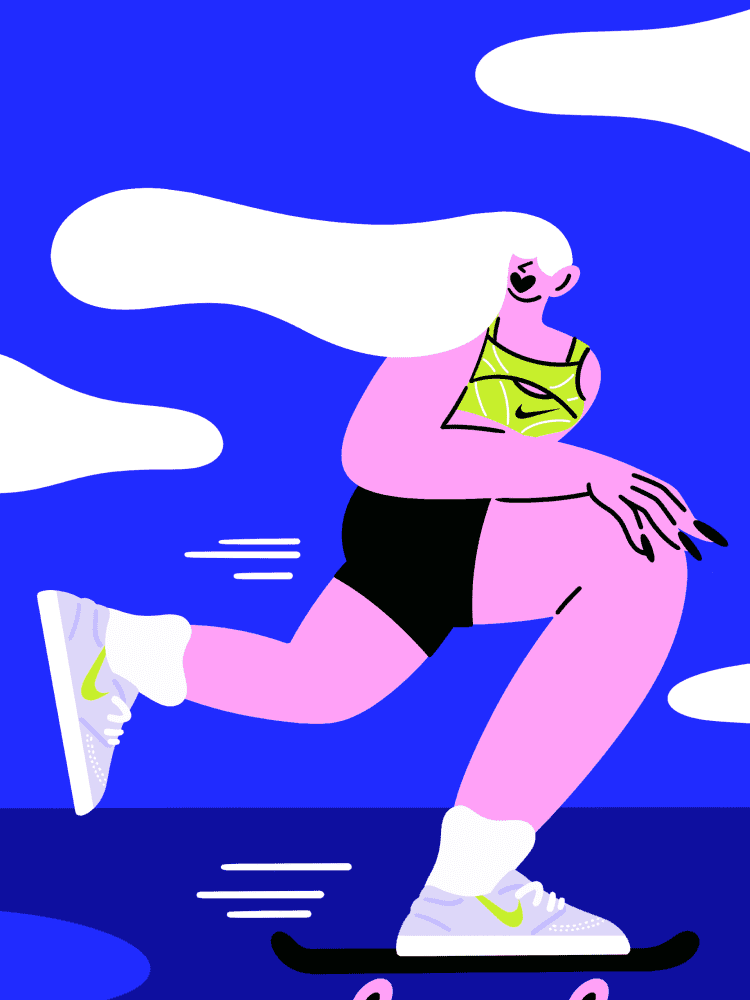
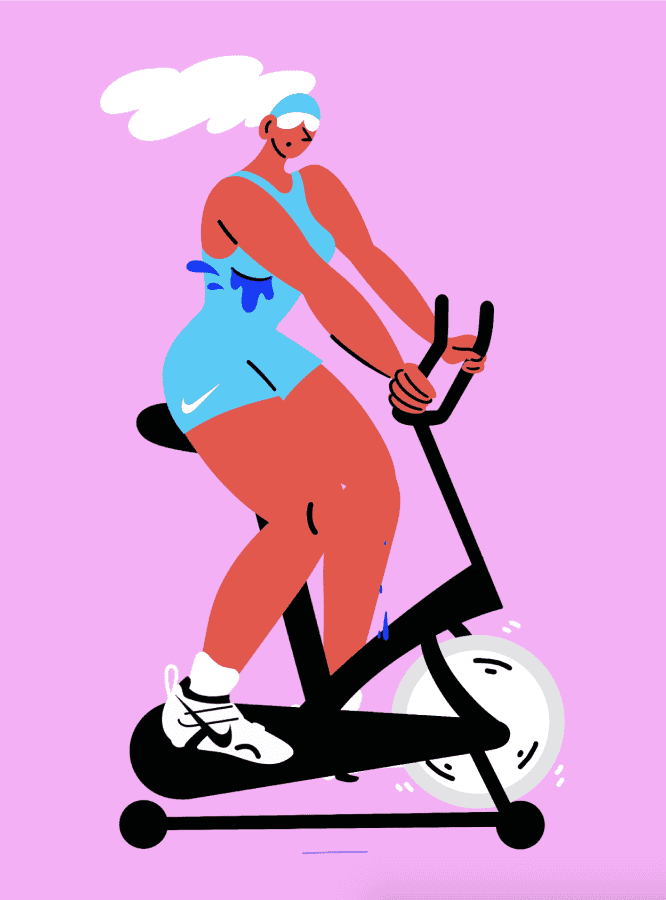
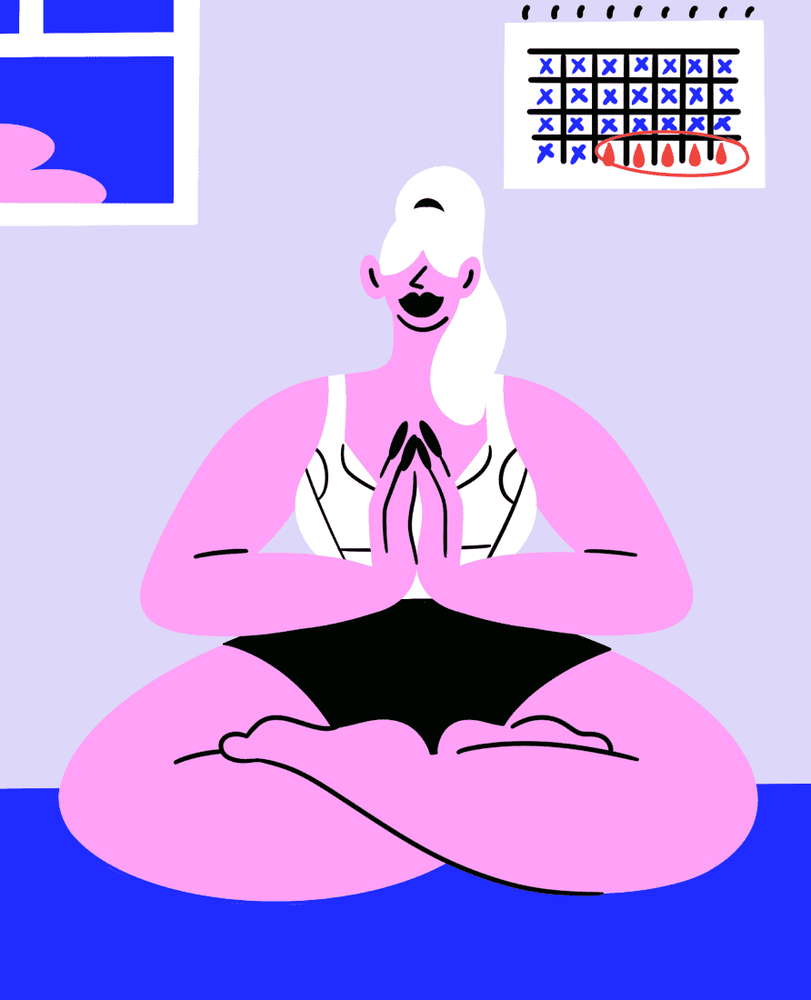
Now, that doesn't mean you have to strive to hit personal records or do high-intensity interval training (HIIT). Some light cardio, yoga, or moderate-intensity weightlifting might be all you need. Here are some tips to help you exercise—and enjoy doing it—while you're on your period.
One word: hormones. Throughout your menstrual cycle, there are a number of hormonal changes that occur. And hormonal fluctuations are most extreme in the days leading up to your period as well as during the first few days of menstruation. Two hormones in particular, progesterone and oestrogen, are responsible for regulating the menstrual cycle.
When your period arrives, progesterone and oestrogen levels are at their lowest. In part, this can make you feel tired and lethargic, and may also be a cause for temporary decreased strength and motivation. Interestingly, oestrogen can have a bad rap in the fitness world, often viewed as a hormone that increases fat storage and causes moodiness. While there's some truth to that, it's also important to note that oestrogen is an anabolic, growth-like hormone, playing a role in muscle growth and quality. Research also suggests that oestrogen aids in muscle recovery after exercise.
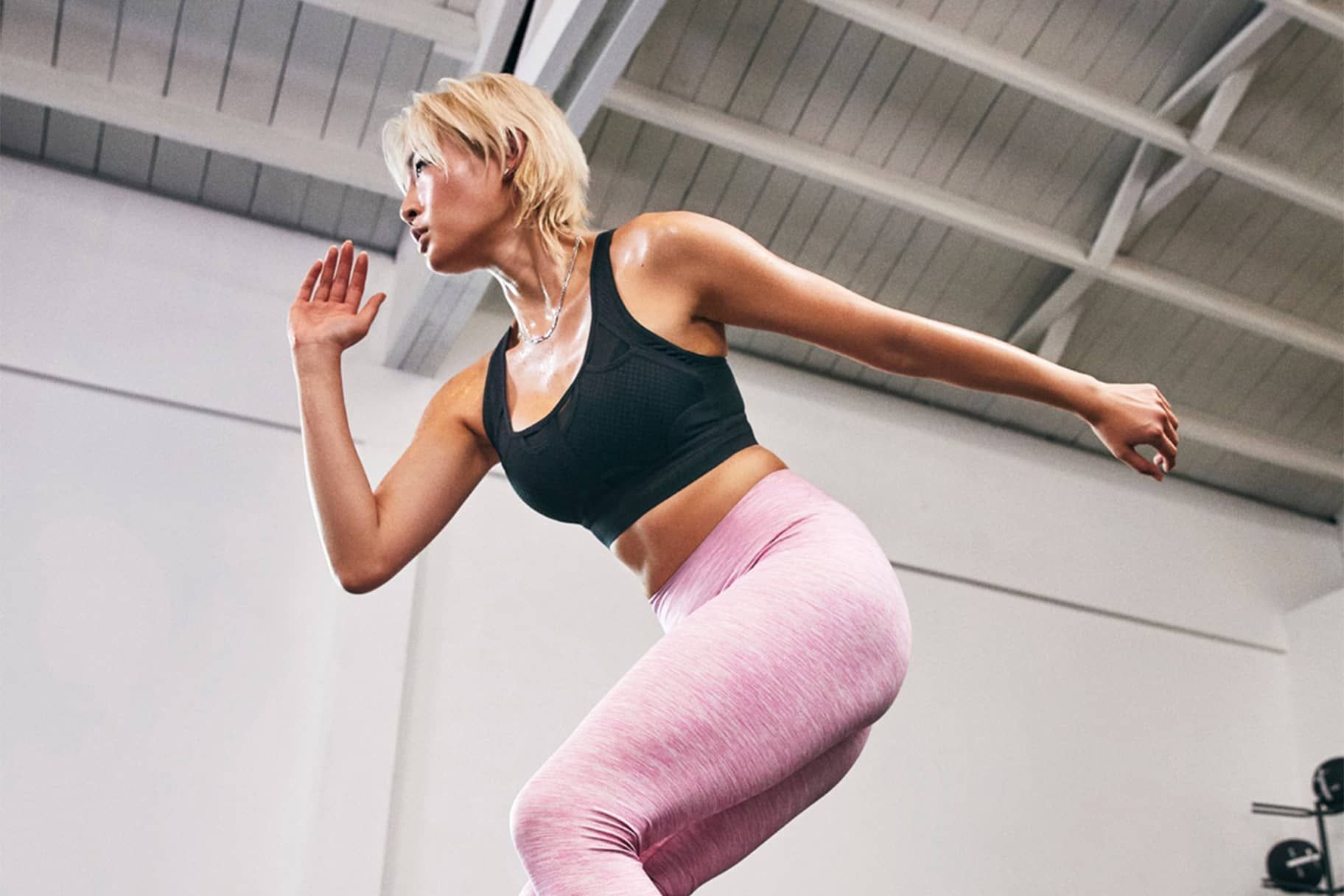
Adjusting your exercise routine for the few days of your period can help you stay on track. It'll also allow you to still enjoy the benefits of exercise without feeling like you're pushing your body over the edge.
You might be used to sweaty workouts that push your heart rate to its limits. But during your period, your fatigue takes over. Instead of skipping it altogether, try a moderate-intensity workout. You're still getting your heart rate up and blood circulation going, but you're working with your body's current needs.
If HIIT or weightlifting is hard for you during that time of the month, try something new. For example, try a new yoga practice or go for a relaxing run or walk. Don't feel obligated to stick to your routine when your body is demanding something else. Plus, you might find something new that you didn't know you enjoy!
When oestrogen and progesterone decrease at the time of menstruation, your body retains more water, which is what causes bloating. It may seem counterproductive, but increasing your water intake during your period can reduce fluid retention. Aim for at least 10, 250ml glasses of water per day to help combat the bloat.
Make sure you Add These 75 Foods to Your Diet to Reduce Bloating!
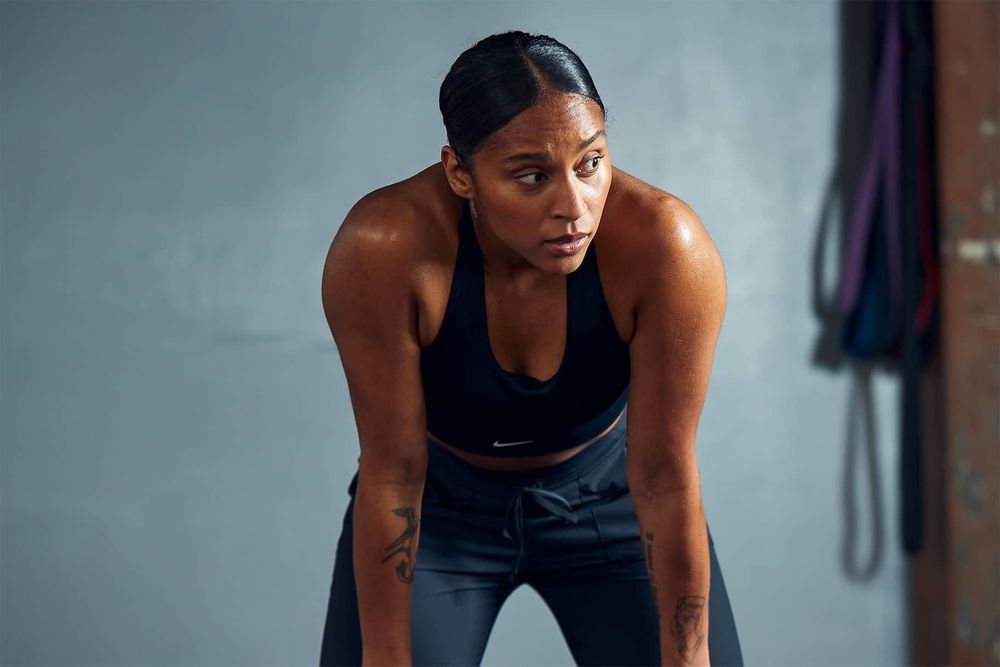
Some women struggle with severe PMS or primary dysmenorrhoea. In this case, it's crucial you listen to your body before engaging in a workout as well as during one. If that means skipping exercise on the first day of menstruation, that's fine. Sometimes when you push yourself too much, it can have a negative effect on your body's ability to recover. Always be sure to take the time to rest when you need it, and if your period symptoms are routinely intense, consider making an appointment with your GP.
Another tip? Wearing an outfit you feel comfortable and fashionable in can help increase your motivation levels as well. If your workout wardrobe could use a refresh, consider heading to Nike.com for some ideas.