Running Shoe Finder

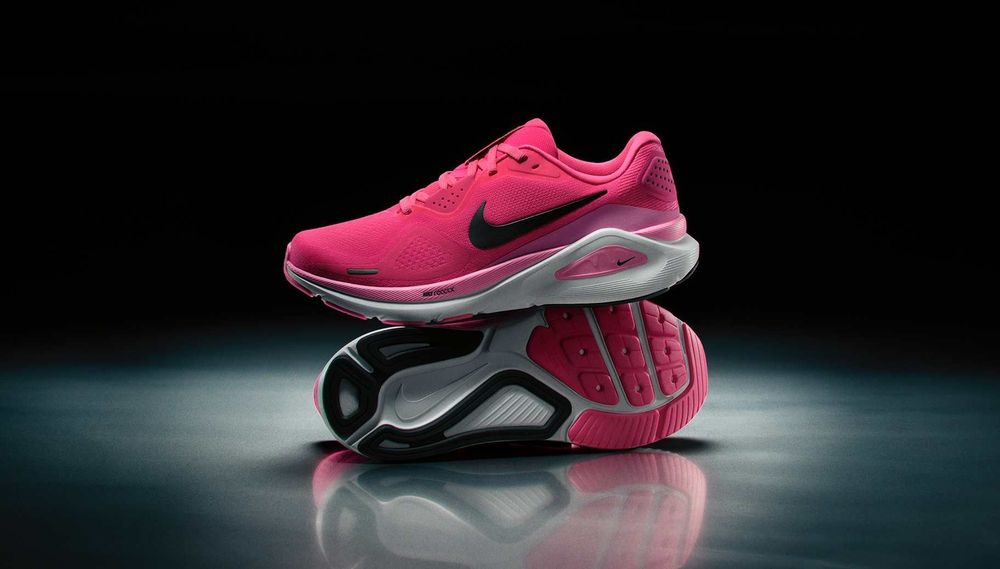
A shoe that’s built for your running style can provide more comfort and support. These are Nike’s best running shoes for heel strikers.

Everyone’s running style looks a little different — whether you strike with your heel, midfoot or forefoot, you’ll still reap the benefits of running. But athletes who understand their body’s unique needs when it comes to shoes and workout gear may have a better chance of reaching their goals comfortably and efficiently. A running shoe designed for your foot strike will help provide the support you need, mile after mile. Here’s what to look for in a heel strike running shoe, along with Nike’s best shoes for heel strikers.
Not necessarily. Heel strikers have a greater injury risk to the knees, according to a 2013 study published in Medicine and Science in Sports and Exercise. But running with a midfoot or forefoot strike increases the load on the Achilles tendon, which makes injury of the tendon more likely, a 2017 study in the American Journal of Sports Medicine found. And while a small 2012 study from Harvard University found that heel strikers were more likely to sustain repetitive stress injuries, there hasn’t been enough research to indicate a significant difference in injury rates between rearfoot strikers and non-heel strikers — they are just potentially prone to different types of injuries.
A systematic review of the literature found that foot strike patterns have no impact on running speed or efficiency.
You can encourage a midfoot or forefoot strike by wearing barefoot running shoes, but know that it’s unlikely to improve your performance or reduce your risk of injury. It’s more important to focus on where your foot hits the ground in relation to your hips if you want to improve your running form. Rather than over-striding and striking the ground in front of you, which can put pressure on your joints and slow you down, land with your foot directly underneath your hips.