Soreness & Mobility

Athletes of any size can experience chafing, but the right techniques can prevent the sting. With the correct clothing and anti-chafing products, you can move freely without the fear of irritation.

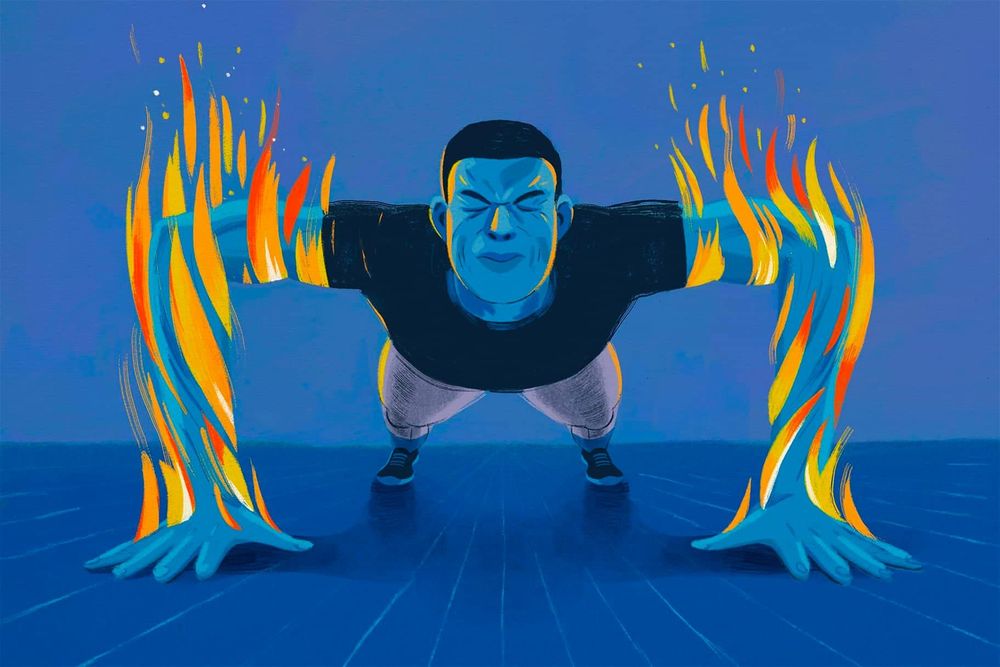
When the sweat is flying and you're busting through reps in your workout, the feeling is incredible, even when you have to fight through the burn. But there's a different kind of burn that can be so irritating, you might avoid exercise (and miss out on the benefits) altogether. Chafing can occur any time moisture and friction are combined. It stings and burns, leaving your skin red and raw—the good news is, it's a common problem that is preventable.
Chafing usually shows up on parts of your body that are prone to rubbing together, such as your thighs, armpits and groin. While it's more likely to happen with people who are overweight, bodies of all shapes and sizes can experience the pain, especially during exercise and in hot weather. But we've got some tips to reduce chafing, or even eliminate it altogether, so you can get back to running, cycling and hiking your way to a healthier you.
You'll want to choose garments that have smooth seams and fit properly so as not to rub against your body. A snug fit is ideal, especially for inner-thigh chafing. You'll also want to choose fabrics that have moisture-wicking properties. Avoid cotton, which absorbs moisture and makes chafing worse. Instead, opt for Nike Dri-FIT fabrics, which are designed to disperse moisture across the fabric for quick evaporation. Some items that might be helpful include:
Creams, oils and other skin lubricants can serve as a layer of protection in chafing-prone areas. For example, products like Vaseline can create a smooth surface that reduces friction. There are also speciality anti-chafe sticks and anti-chafing creams that are easy to bring with you and apply throughout the day. Just avoid products with fragrances and active ingredients that may irritate your skin.
Exercising indoors with air conditioning can help prevent chafing, as can changing into dry clothes halfway through a workout. You might also try antiperspirants and powders to help keep your skin dry in areas that typically chafe.
Don't try to exercise through the pain of chafing—it's a skin problem that only gets worse over time. Instead, make adjustments to your clothing to reduce friction, or change into a dry set of clothes. If chafing becomes severe, there are also some at-home treatments that can help:
Chafing, also known as intertrigo among dermatologists, is a skin condition that can become severe if left untreated, leading to sores and even bleeding. In most cases, at-home treatments will take care of the inflammation, but if the rash sticks around, it can provide an ideal environment for bacteria and fungal growth. If you're in a lot of pain or concerned about infection, you may want to consult your GP or dermatologist. A prescription for an oral or topical antibiotic or antifungal treatment should do the trick.
Runners often wear tight layers, such as compression tights, or anti-chafing thigh bands to prevent friction. Some runners also apply lubricants or powders as a preventative measure. Wearing the right clothing is also critical, so make sure to choose fabrics that keep you cool, dry and comfortable for a chafe-free run.
If you use a deodorant with antiperspirant, it can help your skin stay dry, which will reduce chafing. You can even try applying antiperspirant to other areas besides your underarms, such as your inner thighs. If it works for you, it may be more cost-effective than buying an anti-chafing product.