Recovery Nutrition

We're not saying you should guzzle sea water—in fact, please don't—but registered dietitians specialised in sports nutrition suggest a bit of salt may satisfy post-workout electrolyte needs.

When it comes to better athletic performance and recovery, deploying a breadth of strategies is important, but one in particular tends to top the list: hydration.
While that means drinking enough water, it also calls for keeping your electrolytes in the right balance, and the main electrolyte you need is sodium—in large part because so much of it is lost through sweat, especially in warmer temperatures. Does simply adding salt do the trick to replenish electrolytes? The short answer is yes, but there are some considerations to bear in mind.
During exercise, hydrating with water only can dilute the body's sodium levels, according to Natalie Allen, R.D., clinical assistant professor of biomedical sciences at Missouri State University, with expertise in sports dietetics. That's a problem, because sodium helps the body maintain fluid balance by ensuring that the right amount of fluid is going in and out of cells.
"An athlete should have this balance between sodium and water to prevent muscle cramps, or even more of a concern, a condition called hyponatraemia", she says. "That occurs when the body's levels of sodium drop too low".
If that happens, your cells begin to swell and could cause issues such as headache, sudden fatigue, muscle weakness or nausea. If the situation becomes more serious, it could lead to seizures and even coma.
Unfortunately, it's not as rare as you might think. One study called hyponatraemia "seriously underestimated", and another study both found that the condition is the most common electrolyte abnormality and is widely seen in hospitalised patients.
"Because of this, it's important to get adequate sodium in the diet and to drink a small amount of sodium in your beverage when exercising, especially in hot conditions or for long periods of time", says Allen. "That's why most sports drinks contain an appropriate amount of sodium to help prevent blood dilution".
Preventing muscle cramps is far from the only function of sodium, adds dietitian and strength and conditioning trainer Reda Elmardi, R.D., C.S.C.S. He says the mineral is also key for these benefits, especially for athletes:
If you're generous with salt in your water, you'll probably notice the taste is less than ideal, says dietitian Ashley Harpst, R.D., sport specialist at Go for the Gold Nutrition. Fortunately, it doesn't take a cup of sea water to keep you going strong, but it may require some experimentation with how much works best for you.
Here are a few factors Harpst suggests to bear in mind before using salt water to hydrate:
In terms of how much to add, a small packet of salt that can be found in restaurants is generally a good amount to throw into a 250ml bottle of water or sports drink as a way to prevent muscle cramps, Allen says. That usually represents about 100 milligrams of sodium. Remember, table salt (also referred to as sodium chloride) is usually about 40 percent sodium and 60 percent chloride. Allen tells athletes at Missouri State to keep a few packets like that in their gym bags because it works quickly to resolve cramps and weakness. Ideally, you want to replace other electrolytes as well, such as potassium, magnesium and calcium, and sports drinks can help to round off what you need, she adds.
RELATED: 7 Muscle Groups You Activate When Running
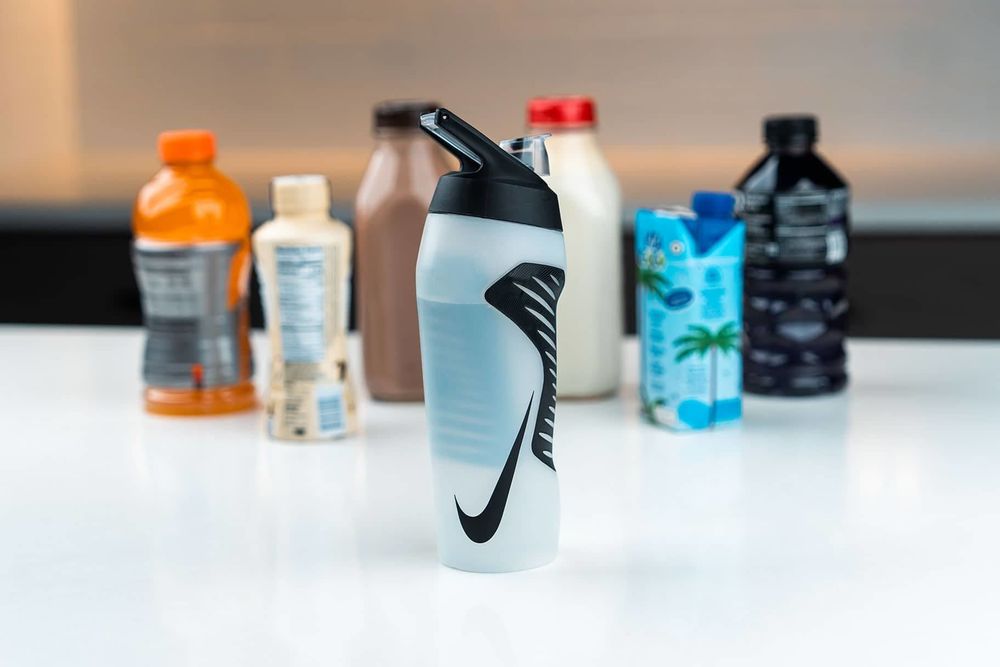
"Using sports drinks can be particularly helpful", says Allen. "The carbohydrates in those drinks can help pull the sodium into your cells, forcing a quicker rehydration".
If you've been in the baking aisle at any supermarket recently, you've probably seen that the range of salt varieties is quite vast—and speciality or health food shops tend to offer even more. For example, there's sea salt, iodised table salt, Himalayan pink salt, Celtic grey salt, even black lava salt from Iceland with activated charcoal.
Research on whether one of these is far superior to the others is lacking, according to Allen. Also, differences tend to be negligible. For example, most salt contains about 98 percent sodium chloride, and the other two percent may be trace minerals like potassium, magnesium and calcium, she says.
That doesn't mean you're getting a huge boost from those minerals because you'd be consuming them in a very small amount, she adds. That's why everyday table salt works just as well as a more high-end salt that's probably more expensive, says Allen.
If adding even a small amount of salt into your water or sports drink makes you dread even a few sips—let's face it, you can have the most perfectly balanced drink ever developed, but it's not going to help if you don't drink it—there are other ways to get sodium without as much salt, says Harpst.
For example, using coconut water can be helpful as it has both sodium and potassium. That aids with muscle contraction and fluid retention, and you can hide the salty taste by adding a small amount of pineapple juice, Harpst suggests. There are also commercially available electrolyte powders designed to be mixed with water for rehydration, and not only do these contain sodium, they also tend to be flavoured.
Like so much with any kind of athletic training and fitness, it's helpful to play around with different options and pay attention to how they affect your performance. And maybe next time you get a takeaway, consider stashing a few of those salt packets in your gym bag.
For more helpful tips relating to nutrition and your workout, be sure to download the Nike Training Club App!
Story written by Elizabeth Millard