Recovery Nutrition

Plus, the best Nike hydration gear to use when you’re logging miles.

If you’ve ever been out on a run and daydreamed about slurping a cold cup of water, chances are your body was signaling that you were thirsty and needed to hydrate. The more you sweat during a run, the more water and sodium your body loses. It’s important to replace those lost fluids to avoid dehydration and to continue to perform at an optimal level.
While listening to your body is important, thirst may not always be a sufficient red flag. In fact, research has shown that thirst is satiated before the body is fully rehydrated. It can also be harder to perceive thirst during prolonged endurance exercise.
Be sure to check out the below to learn how much water runners really need, plus strategies and gear to help replenish fluids mid-run.
For the body to function properly, it’s essential to drink enough water daily. Water helps the body to:
Hydration is especially important during strenuous exercise and high heat, since the body loses water and electrolytes through sweat. Electrolytes are essential minerals — including sodium, potassium, calcium, and magnesium, among others — that help maintain the right balance of water in the body, regulate body temperature, move nutrients and waste in and out of the cells, and facilitate the proper functioning of the muscles and nervous system. Sodium helps regulate blood pressure, which is why some athletes add a little bit of salt to their water to drink after a workout.
In addition to drinking enough water throughout the day, it’s important to replenish any lost water during a run. According to the American Council on Exercise, there are three main components to help maintain optimal hydration:
Nike offers several options for staying hydrated on the run. To find the right one, consider your personal preference, as well as where you’re running, your effort and for how long you plan to be out there.
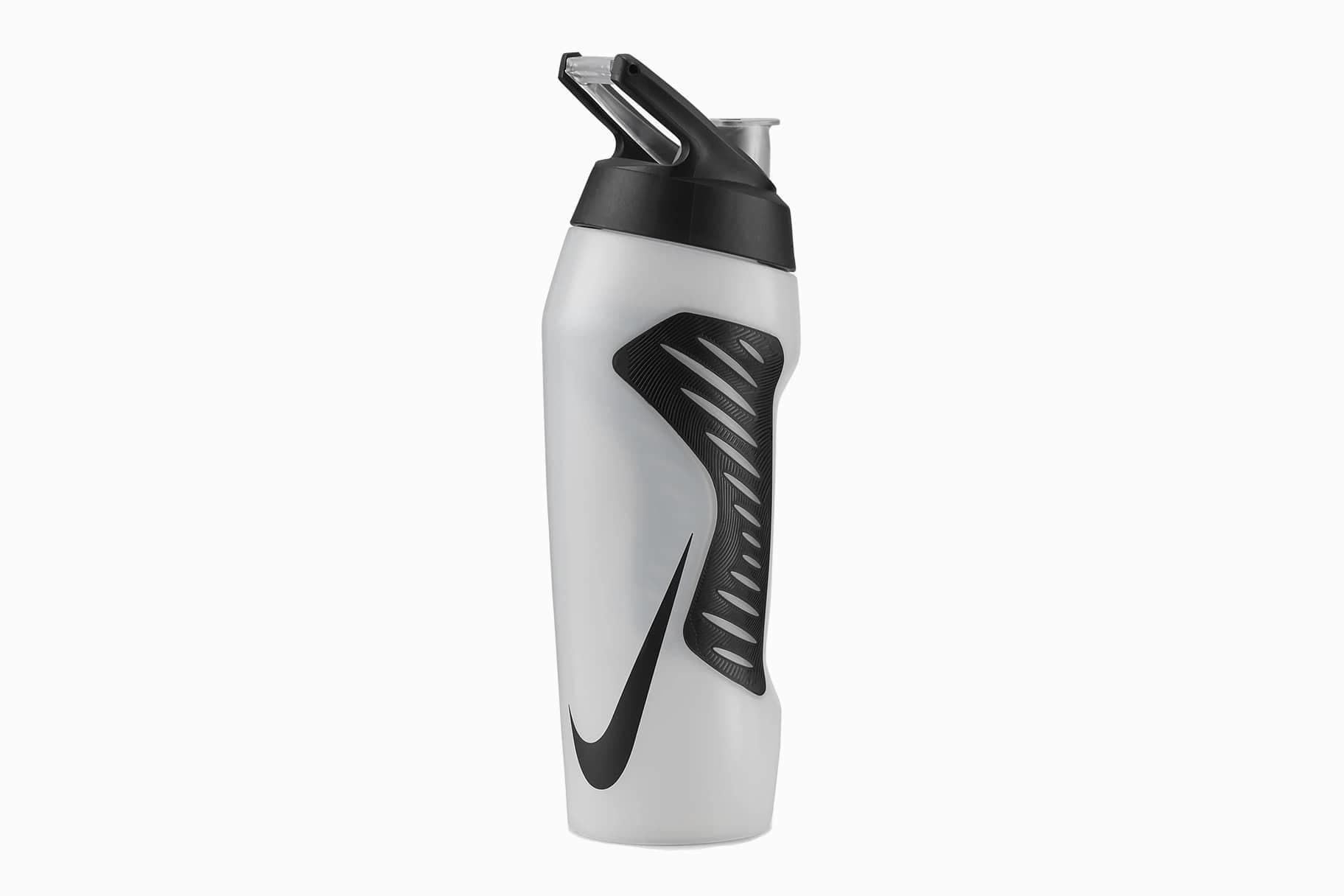
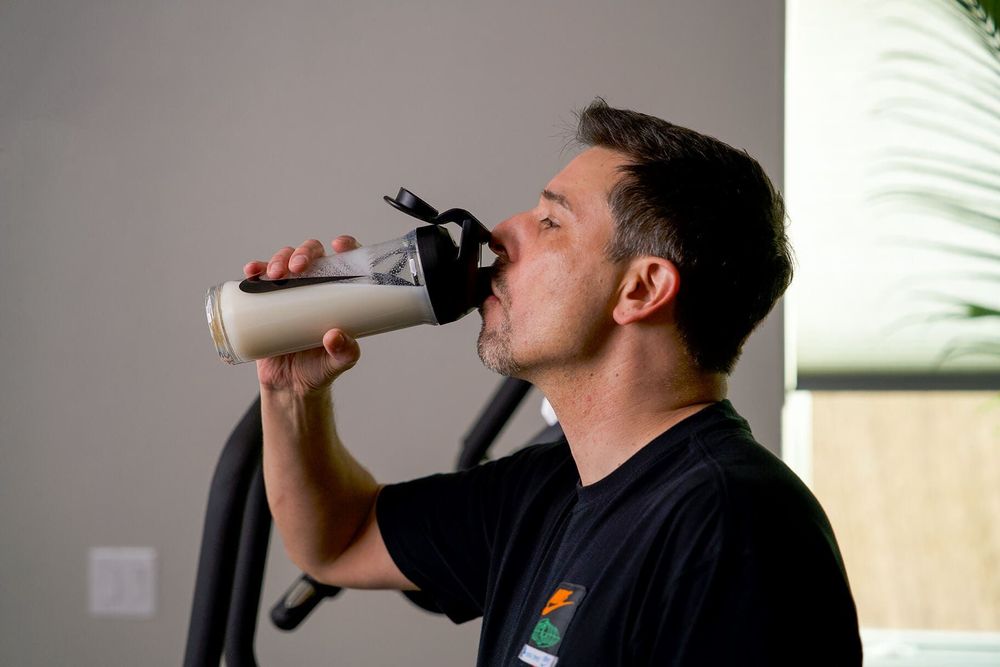
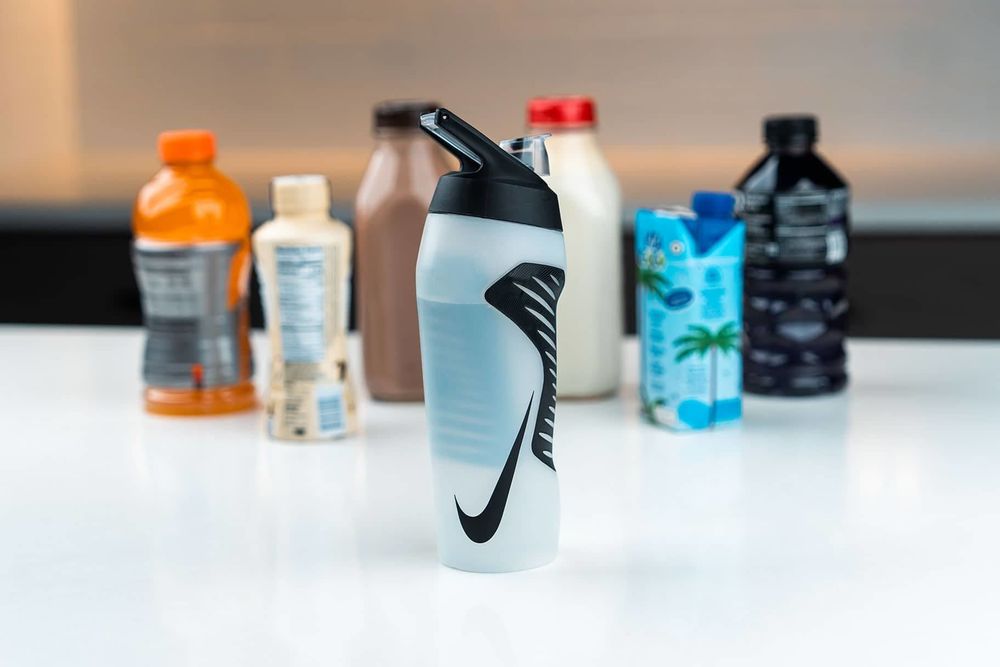
Nike’s standard water bottles come in a variety of sizes to suit your needs. Nike currently offers water bottles in 12-, 24-, 40- and 64-ounce varieties. A water bottle works well if you can stash it in the treadmill cup holder, in the car, along the route or on the side of the track to access it when it’s time to hydrate — before, during or after the run. Stainless steel styles help keep fluids colder for longer, while BPA-free plastic water bottles are lightweight and durable. Some bottles have straws while others have flip-tops. Nike also offers a shaker bottle, which can be helpful for mixing in electrolyte tablets or powders.
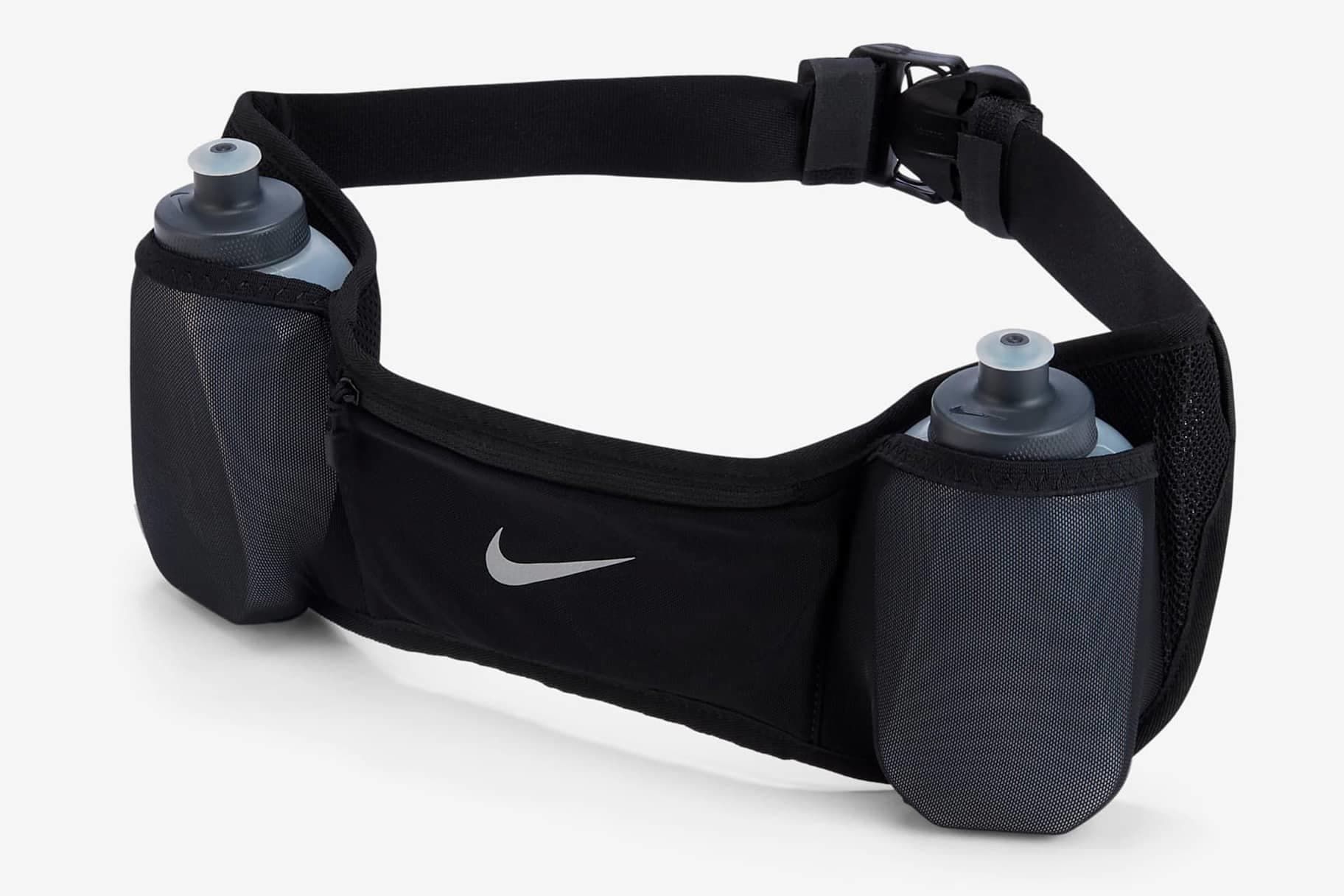
Nike offers 10-, 20- and 22-ounce hydration belts, which are waist packs designed to carry one or two small water bottles. These allow you to keep your hands free and provide quick and easy access to water when you need it. While hydration belts may not be able to carry as much water as a larger bottle, they work for shorter runs.
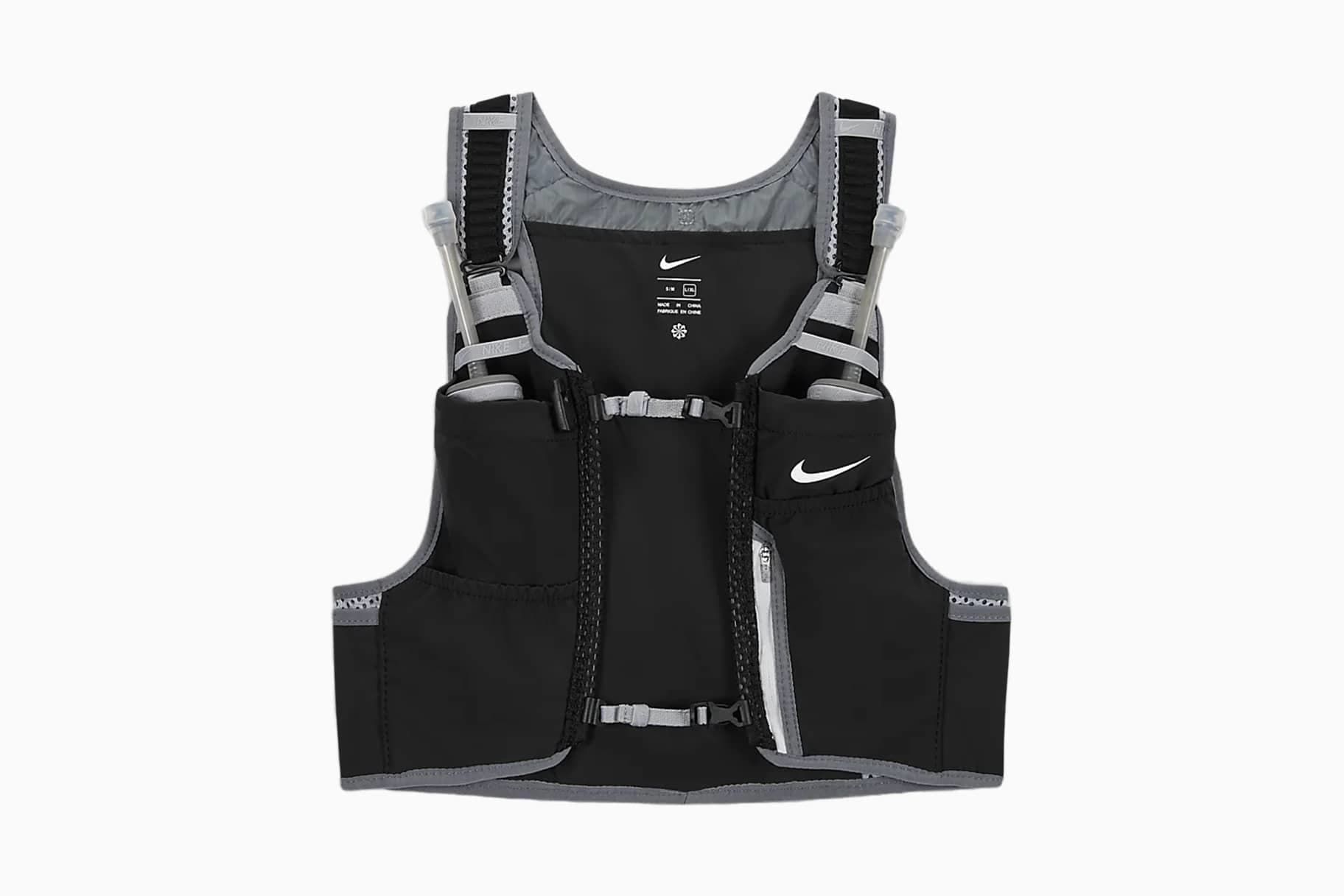
A hydration running vest is the ultimate gear for trail or long-distance runners. With capacities of up to 3 liters (about 100 fluid ounces) of water, a hydration vest allows for carrying lots of fluids that are easily accessible on the go. Nike hydration vests are designed to be lightweight and breathable. Some are built to hold water flasks with straw extenders, and others also have space for a full water bladder. Nike running vests also have extra storage for any essentials, such as keys, a card or a phone.
The American Council on Exercise recommends drinking 8 ounces of fluid 30 minutes after a workout, plus 16 to 24 ounces of fluid for every pound of body weight lost during exercise.
To keep your hands free on the roads or trails, opt for a running hydration belt or vest. Nike hydration belts are designed to fit like a waist pack with space for a water flask or two, while a hydration vest offers more capacity, plus easier access to water through a straw.
Some of the most common symptoms of dehydration include fatigue, thirst, dry skin and lips, dark urine, headaches, muscle cramps, lightheadedness and dizziness.