Types of Runs & Workouts

Here's how to get better at sprinting and max out your speed safely.

There's more to sprinting than running fast. With the right form, technique and practice, you can really soar. Below, check out expert-backed tips on how to get better at sprinting.
(Related: These Are the Six Best Ways to Recover After You Run)
A proper sprint form looks a little different for everyone. That said, Amie Dworecki, USATF and RRCA Level I- and II-certified run coach, outlines the basics to help you nail your optimum form.
Because of the intensity required for sprint workouts, efforts tend to be short (and powerful) with longer rest periods in between sets than other types of workout. To build power, sprint for 5 to 10 seconds with 20 to 30 seconds of rest in between sets, Dworecki says. If you're new to sprinting, consider starting out with two to three, then progress to five to six sets. You can continue to add on more sets as you build strength and stamina.
When sprinting, aim for an effort level of 90 percent: "Going all-out can lead to muscle failure, or you may fatigue too early to complete the workout", Dworecki says. If you're new to sprinting, you may want to start at a slightly lower intensity (like 80 percent).
Many of the tips about form for sprinting outdoors can translate to sprinting on a treadmill. However, you may need to adjust your form a bit to accommodate the machine.
"Usually, runners subconsciously shorten their stride length or increase their turnover rate to account for belt speed variation [on the treadmill]", says Briana Williams, CPT, USATF-certified run coach in New York City.
RELATED: Elliptical, Treadmill or Running Outside—Which One Is Best?
She recommends running on a manual treadmill rather than a motorised one, if you can. With a manual treadmill, you power the belt. This offers an experience that's closer to sprinting outdoors.
If your only option is a motorised treadmill, be aware that your stride length may shorten a bit. This isn't necessarily a bad thing—it may even lower your odds of overstriding—but it may feel different.
Dworecki recommends starting with fewer intervals than you normally do outdoors to see how your body responds. Also, take care not to sprint too close to the front of the treadmill, as you may accidentally punch the display or handles with your arms, she adds.
The best way to improve your sprinting technique is to, you guessed it, sprint. That said, certain running drills and exercises can help you build the skills that bolster your efforts to reach top speed.
One of Williams' favourite drills for improving sprint technique is sled sprints. This move teaches you how to produce greater horizontal force during the initial acceleration phase of a sprint, which comes straight after you push off the ground to start sprinting. During the acceleration phase, your body gradually straightens as your strides lengthen, notes the National Strength and Conditioning Association.
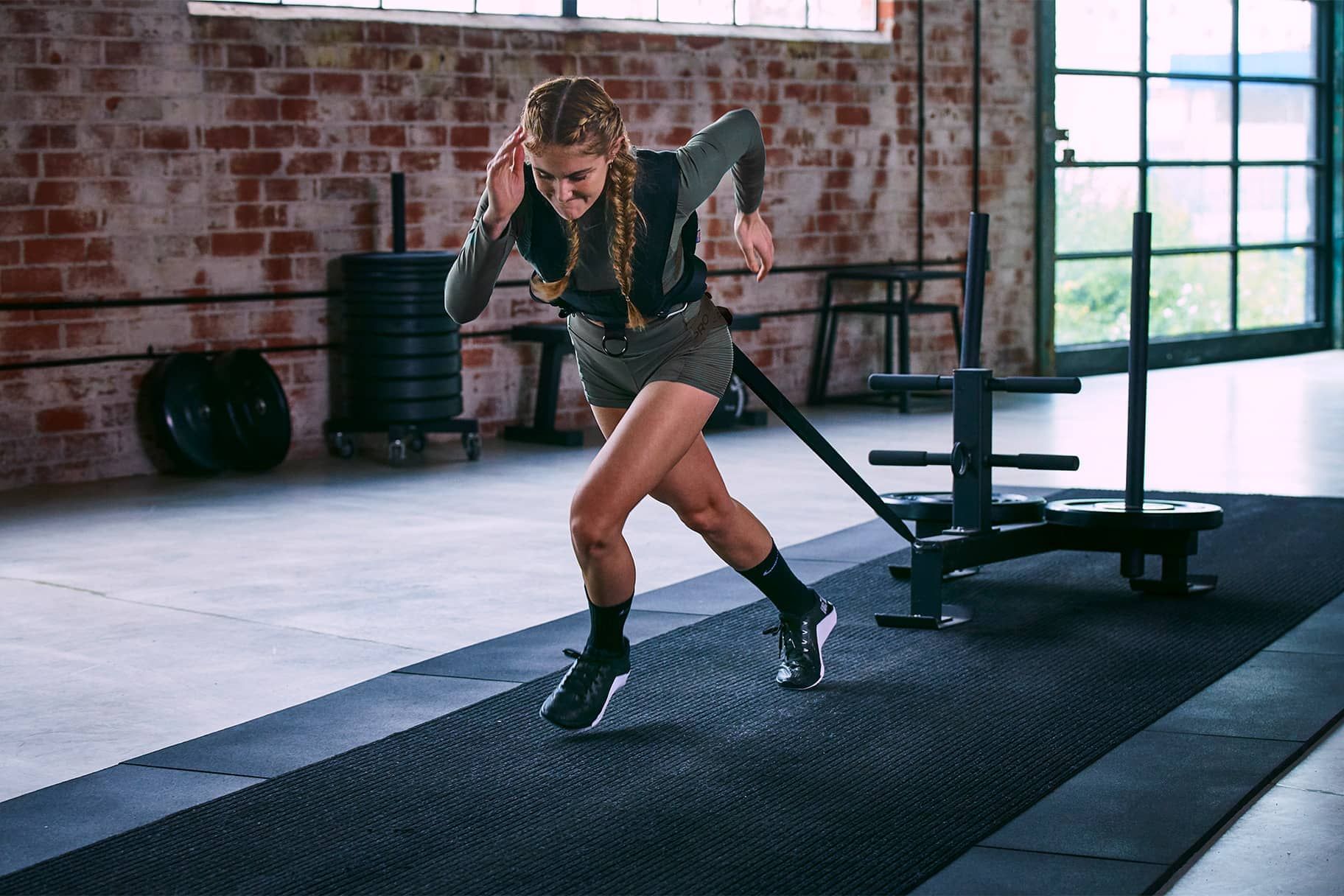
You'll need a speed or prowler sled to do this move (many gyms have these). If you don't have access to one, get creative with DIY options. Essentially, you need to hook yourself to a heavy object or sled via a harness. You'll run all-out while dragging that heavy object or sled behind you. Start lighter and add weight as you get used to the drill.
If you can't find a solution, loop a resistance band around your waist and ask a partner to hold onto it behind you. Drag that person behind you while you sprint. Start with a few rounds of 20-metre sprints.
Williams adds that sled pushes are another great way to improve your sprint technique.
Essentially, this requires loading a sled with weight and pushing it across the floor. Depending on how much weight you add to the sled, this move can enhance both speed and power. But if a sled isn't available in your gym, using a treadmill to execute pushes is an effective alternative.
To do treadmill pushes, set the treadmill to 1 mph and make sure the incline setting is set to zero percent. Hold onto the handrails (or the console) and begin moving the tread belt manually with your feet so the belt moves. Pro Tip: you should feel this in your calves!

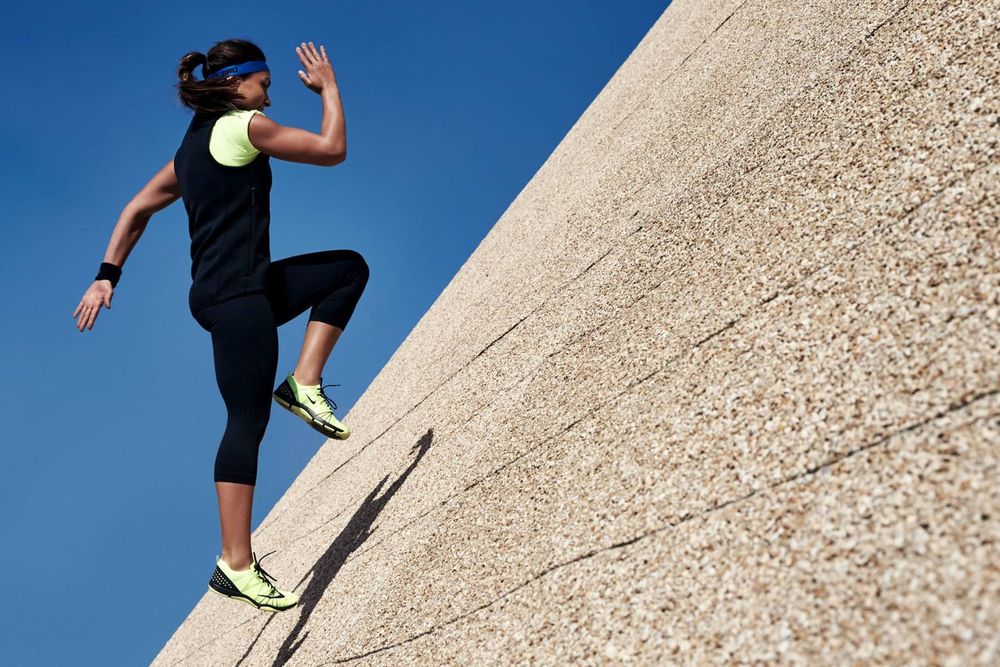
If you don't have access to a gym or sled, or just want to mix up your runs away from the track, consider incorporating hill repeats into your training routine. Running, skipping or bounding uphill builds the leg drive and strength needed to sprint well, Dworecki says.
New to hill repeats? Dworecki recommends starting with just a few sets on a fairly steep incline. You can run up the hill or try skipping or bounding. If you still feel, fresh after those initial sets, feel free to add more, but be careful to ease into these types of workout.
"I'm a big proponent of the A-Series drills (A-Walk, A-March, A-Skip and A-Switch) and alternating bounds. The A-Series drills train and improve sprinting technique while alternating bounds train the elastic qualities necessary to sprint efficiently", says Williams.
She adds that holding a dowel above your head during any one of the A-Series drills can further promote proper running posture. These drills can be incorporated as either a warm-up or included in a training session. Here's what Williams suggests:
"In a training session, it's important to note if a runner starts seeing a breakdown in their technique—they should either extend their rest periods or end the session", she says. "High intensity should be the goal for these drills. Intent is everything."
Because sprints are an intense cardio workout, it's essential to properly prepare your muscles to run with power.
"Injury risk increases as intensity increases, so taking the time to go through a complete warm-up is very important", says Williams. Warming up for 10–15 minutes will get your body temperature up, boost blood flow and tell your nervous system to get ready to work.
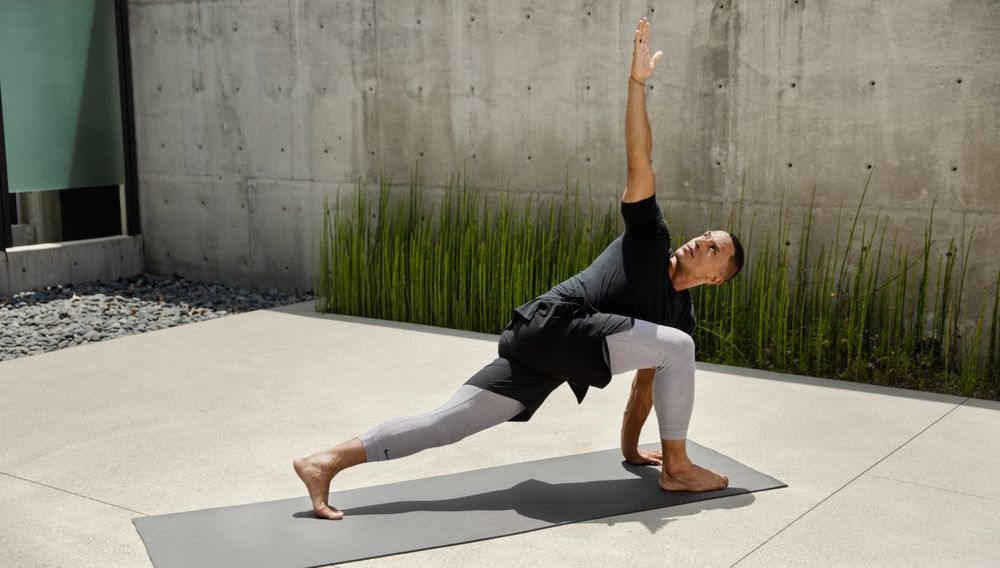
An effective warm-up routine for sprinting can include:
"These highly integrative moves target the hips, hamstrings, quadriceps, thoracic spine and obliques to give runners more bang for their buck", she says. Do each drill for 2 sets of 30–40 seconds.
For more expert-backed tips, be sure to download the Nike Run Club!