Types of Runs & Workouts

Truth: Switching up your sport can help you build strength and prevent injury. Here’s why — and how to do it.

We don’t need to tell you that running is hands-down awesome. You’re here, so you already know that. But running shouldn’t be the only way you work out, even if it is the love of your active life. You need to cross-train — as in, intentionally mix in other forms of exercise, specifically cardio, strength training and active recovery — to run your strongest, fastest and fiercest.
Let us explain…
Coach Bennett
Nike Senior Director of Global Running
Exactly how often you should cross-train varies from person to person, and it’s “less a question of how often and more a question of how much,” says Coach Bennett. You could commit to at least five to 10 minutes of cross-training per day (a quick bout of single-leg deadlifts or even just balancing on one leg counts), or as many longer sessions (lasting 20 to 60 minutes) as you need to feel better physically and mentally, he says.
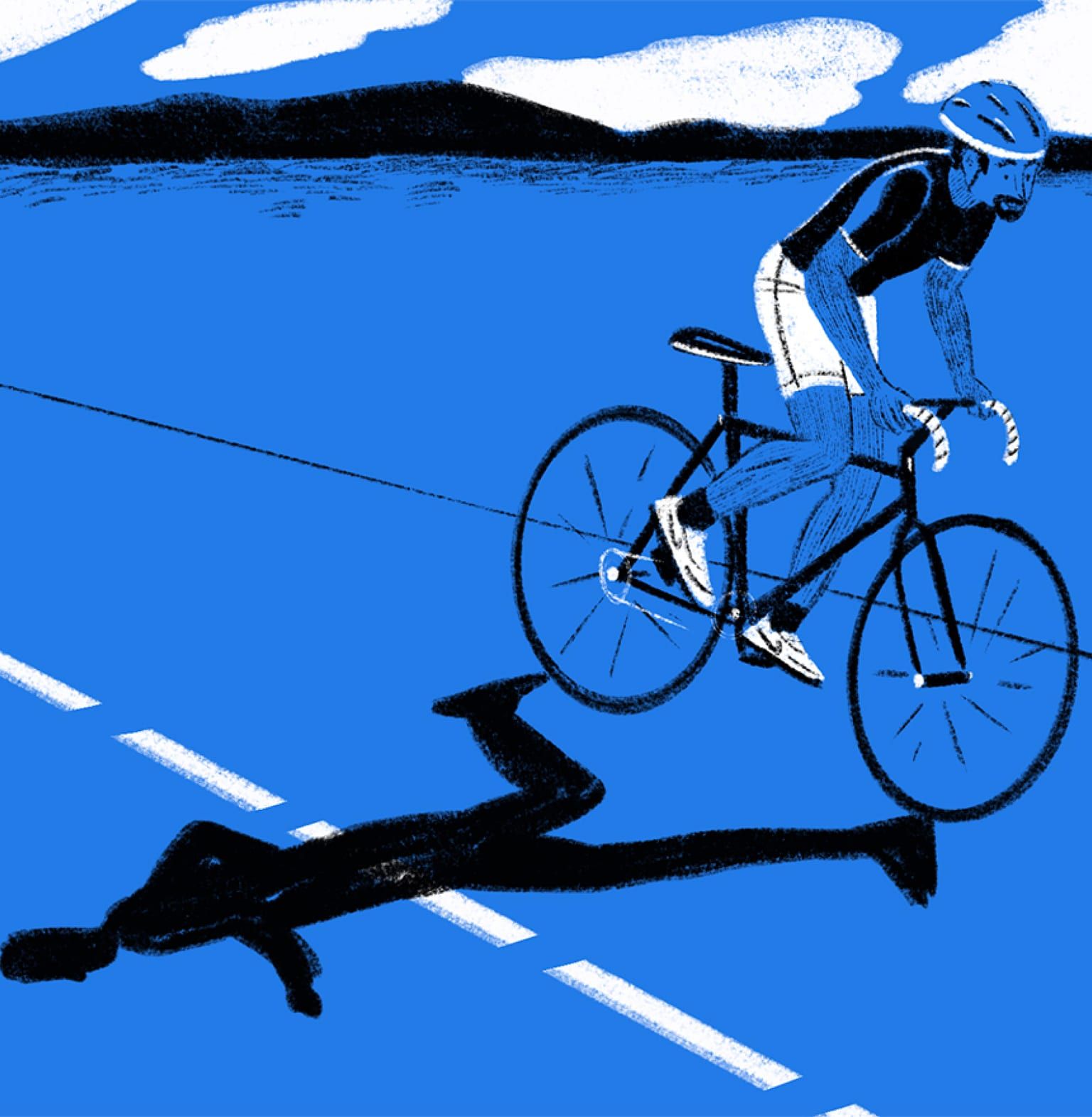
Regardless of how much time you spend doing them, these are the top three cross-training activities to start incorporating today.
Cycling, swimming, rowing, hiking — all of these low-impact forms of cardio let you bypass the brute force of running while training your muscles to go longer and push harder, says Jason Fitzgerald, a USA Track & Field-certified coach and the creator of the coaching program Strength Running. These activities still train your aerobic system, so they can improve your ability to take in and use oxygen (which will pay off during your runs) without the extra stress your soft tissue (muscles, tendons, etc.) would take on from actually running, he says.
For injury-prone runners — those who’ve suffered from shin splints or annoying knee or ankle ache — swapping some easy runs with cardio cross-training can give your legs a break from the impact and help you stay healthy, adds Fitzgerald. There’s no magic running-to-low-impact-cardio ratio, but as long as the balance makes your runs feel easier, not harder, and you’re not nursing aches and pains, you’re doing it right, says Coach Bennett.
Lifting weights, CrossFit, plyometrics (explosive jumping exercises like squat jumps and jump-switch lunges), and even basic bodyweight strength training (air squats and push-ups) all build up your muscular strength and endurance. This makes not only everyday life (schlepping an overpacked weekend bag, carrying groceries, picking up your child or dog) easier, but also your runs. That’s because a body with stronger muscles has more resistance against fatigue, says certified strength and conditioning coach Janet Hamilton, the owner of the Atlanta-based coaching company Running Strong. In other words, you can go harder for longer because your joints are better equipped to handle the force running throws on them mile after mile.
“You could be running regularly so that you’re a Day 30 runner, but if you’re not strength training, you’re like a Day 1 athlete, because you’re only getting better on a cardio level,” says Coach Bennett. “The wider that gap grows — as in, you keep pushing your runs without working on strength — the sooner you’ll hit a progress wall and risk getting hurt.” The American Heart Association and most experts recommend at least two dedicated strength workouts per week, but as long as you’re doing shorter workouts (lasting, say, 20 minutes or less) and not blasting the same muscle groups back to back, you could do more, says Coach Bennett.
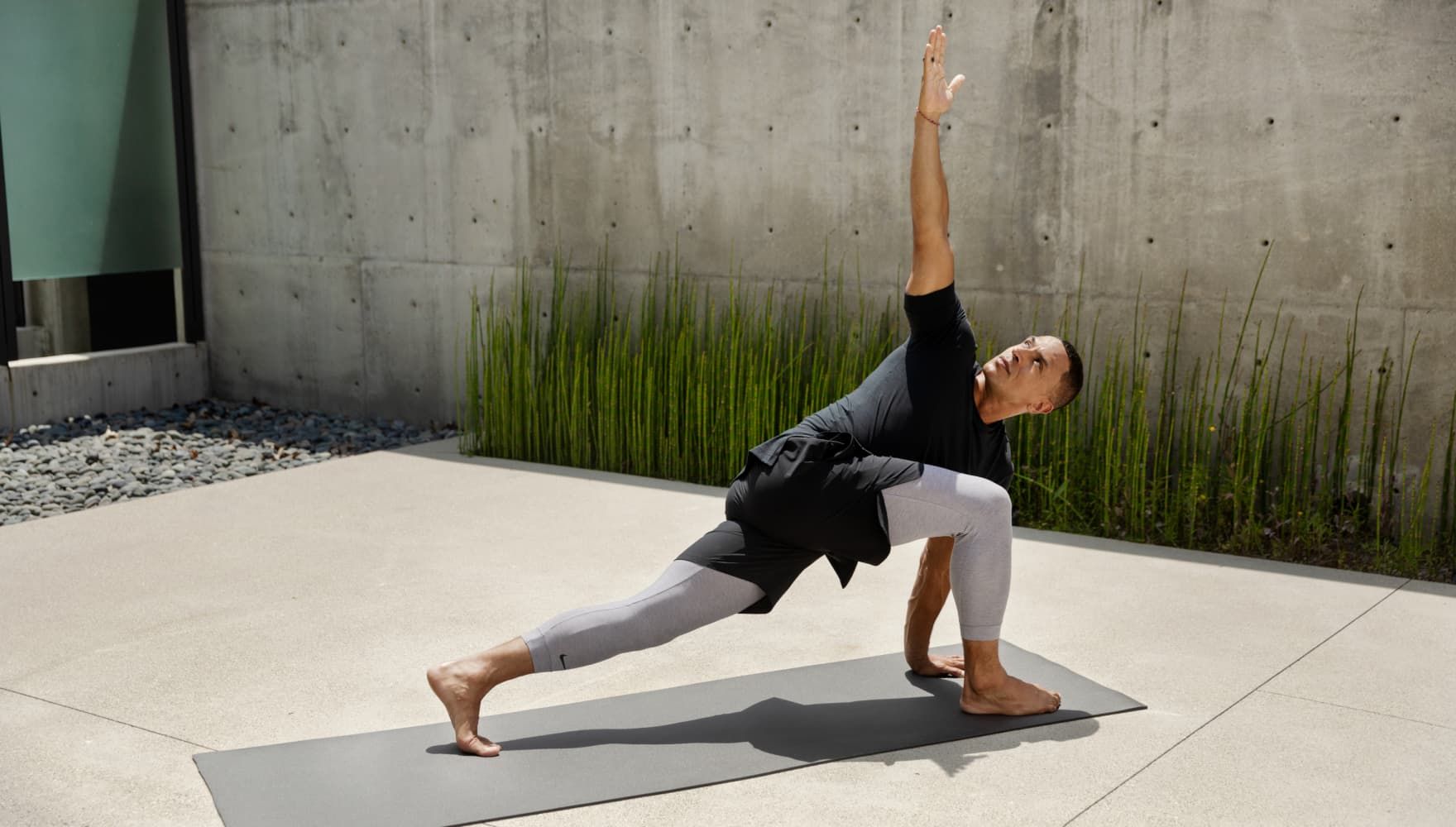
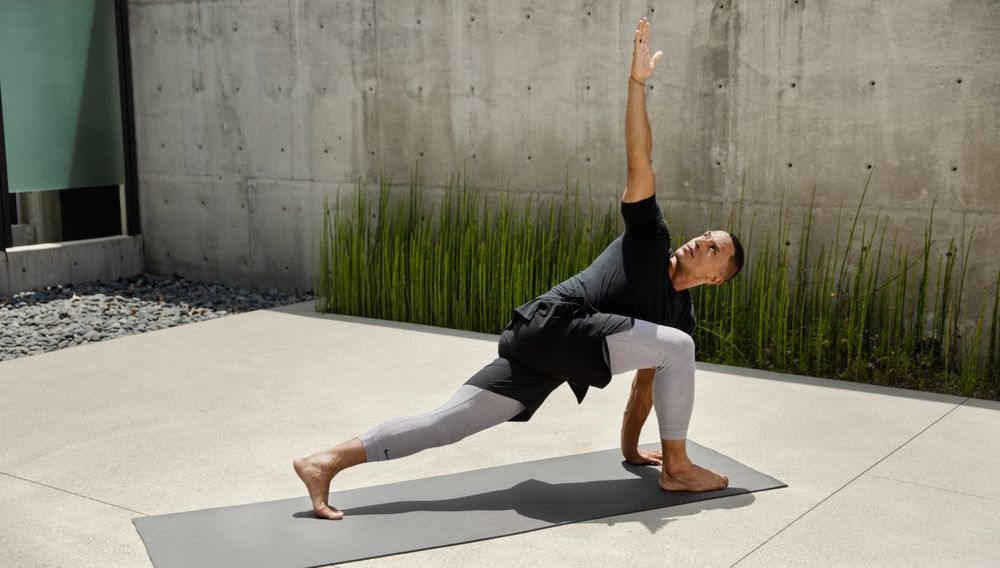
Pick an activity you like, then tone it down to a 3 or so on a 1-to-10 scale of perceived effort — that’s active recovery. It could be an easy bike ride, a chill hike, a long walk, an easy or moderate yoga or Pilates class — anything that doesn’t make your muscles quiver or you break a real sweat, or cause you to mentally curse what you’re doing.
Active recovery, particularly a low-key bike ride or walk, can help promote your bounce-back after a hard run more than just resting does, suggests research from Western Colorado University. That could be because this type of movement increases blood flow to your muscles, helping them repair themselves more effectively, found a separate study published in the Journal of Sports Sciences. Active recovery has also been shown to lower your heart rate during other sports and make it feel like you’re working less hard, according to research published in the Journal of Sports Science and Medicine, which means you could do more on your next run with less perceived effort.
To figure out how often to shoot for active recovery and which type to do, try Coach Bennett’s tip: “Ask yourself, ‘Will I feel better or worse for doing this?’” Active recovery — and all cross-training — isn’t just about the physical benefits for your runs, he says.
“Cross-training is really about the emotional or spiritual jump you get that helps you for your next run,” he says. “Did it give you some confidence or some peace for your run? That’s what matters most.”
Words: Ashley Mateo
Illustration: Ryan Johnson